





Sensory Play and Autism: How It Helps Children Learn, Regulate and Focus


Louise @inspiremyplay
Part of the @InspireMyPlay team. Sensory play specialist and mum to two boys.
Sensory play can be wonderfully supportive for children with autism. It creates gentle moments of calm, focus and joyful exploration of interests through play.
By engaging the senses, which are felt so keenly in neurodivergent children, sensory play provides a safe way to explore and make sense of the world around them. Over time, this kind of play can support emotional regulation, concentration, communication and confidence — all while having fun.
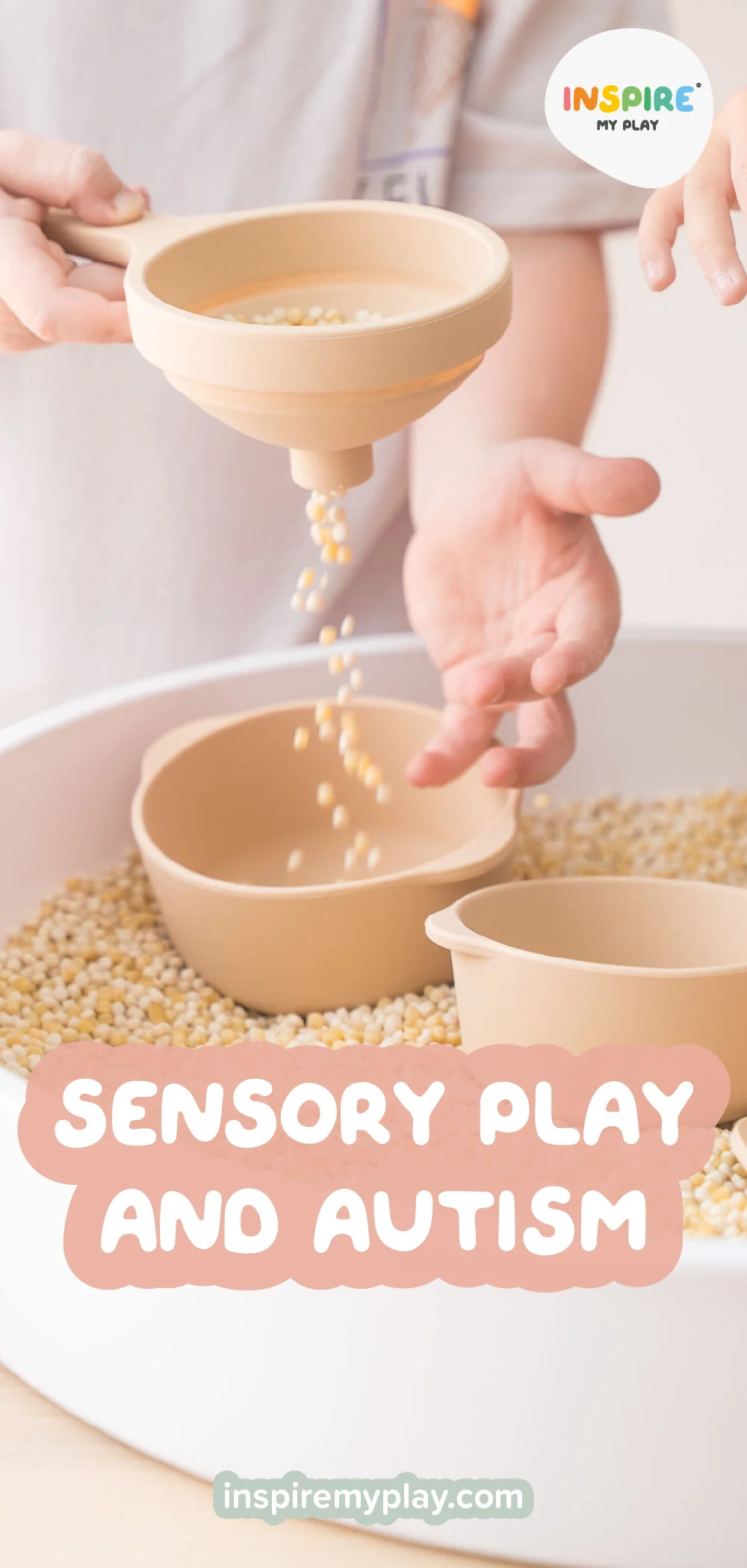
There’s no “right” way to do sensory play. What matters most is following your child’s lead, and creating an environment where they feel comfortable, curious and safely supported.
Why Sensory Play Supports Children with Autism
Many autistic children experience sensory input more intensely — some seek out certain sensations, while others may avoid them. Sensory play offers a gentle, self-controlled way to explore different sensations in a meaningful and predictable way.
Here’s how sensory play can help:
1. Regulates sensory input
Materials like water, sand or playdough can be calming or stimulating, depending on what your child needs in that moment. A familiar sensory setup can help children feel more settled and emotionally supported.
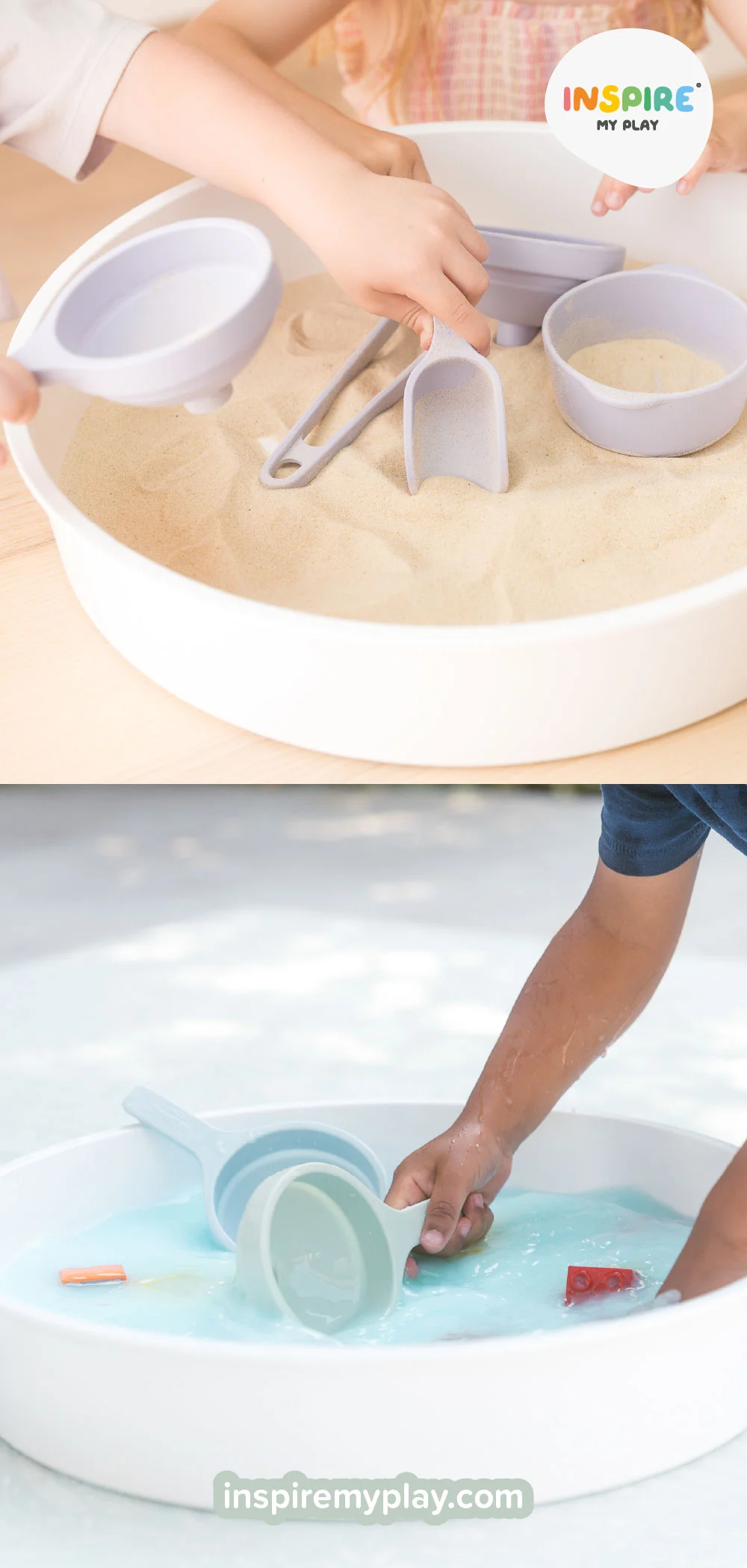
For a child who is apprehensive, try hiding small, familiar objects within the sensory base. They’ll be reaching through something unfamiliar to find something they already know and trust.
For sensory-seeking children, you could create a PlayTRAY filled with several different bases, or set up an object-matching activity that encourages them to explore a variety of textures at once.
2. Builds fine motor skills
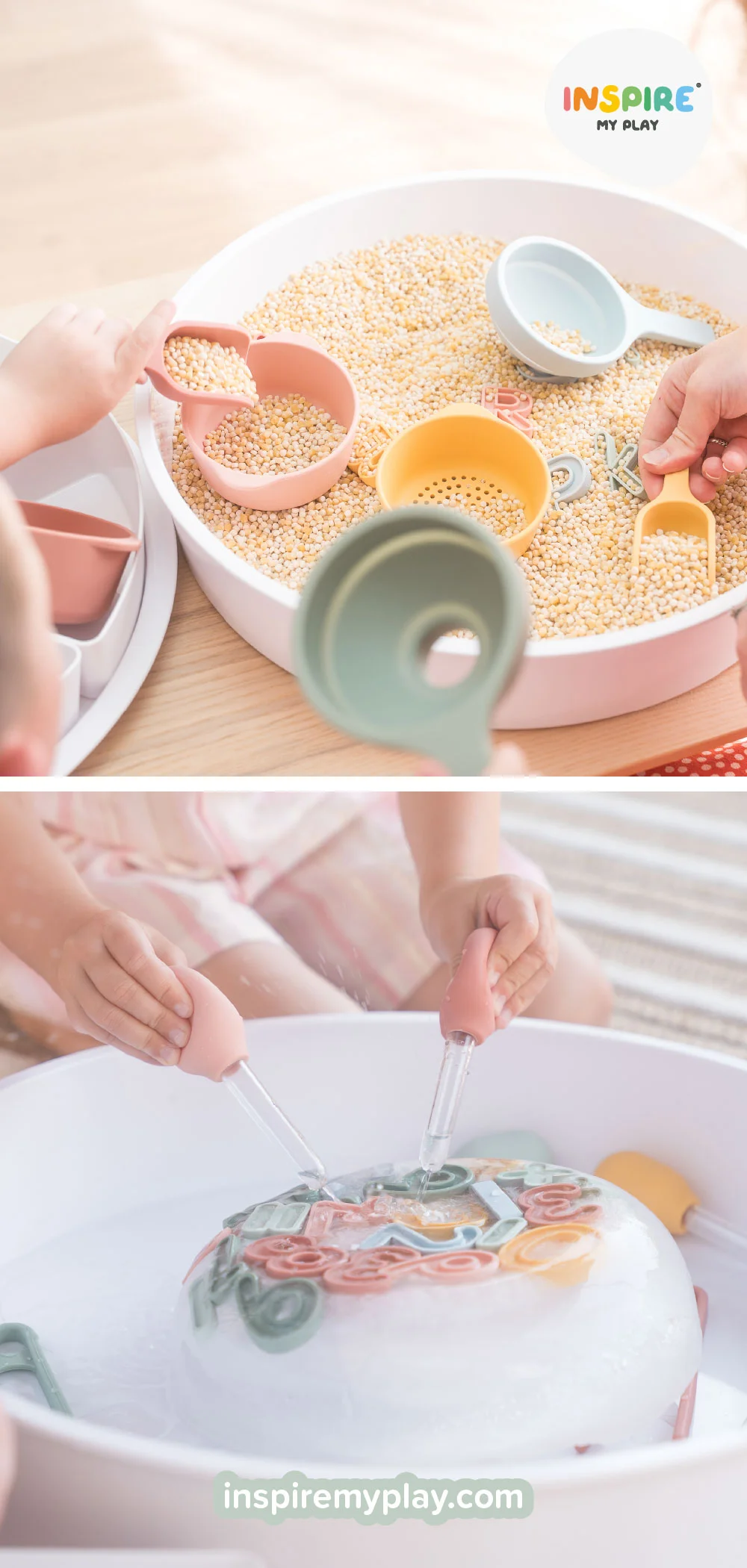
Scooping, pouring, squeezing and transferring materials all strengthen little hands. Try a scooping and pouring activity using coloured chickpeas or pom poms to collect between thumb and finger, or use tools such as our Sensory Play Tongs to build hand control.
Droppers can also be used to create abstract artwork — squeeze coloured water onto something absorbent like cotton wool pads or ice and watch the colours spread. These small, repetitive movements support everyday skills like holding a pencil, fastening buttons or feeding themselves, helping build confidence boosting their confidence — especially if your little one is also managing hypermobility in their hands.
3. Encourages communication
Talking about sensory experiences helps link words to actions and feelings. Describing how something feels (“soft”, “cold”, “squishy”) or smells (“sweet”, “spicy”) opens new opportunities for connection and self-expression.
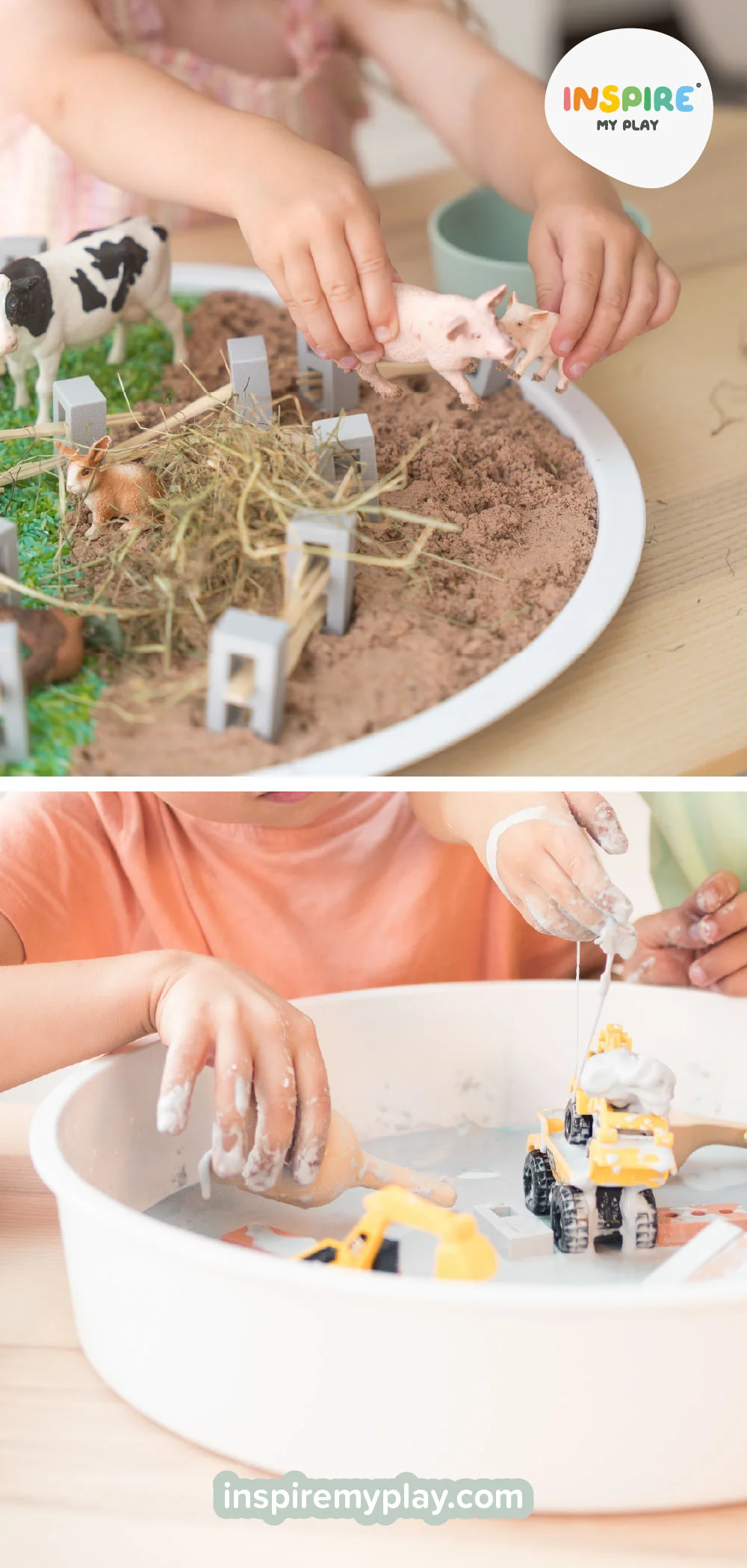
You could also link sensory play to your child’s favourite story or programme — use the PlayTRAY compartments to recreate scenes and encourage small-world play, which is a wonderful way to enrich vocabulary. Check out our blog: 10 sensory bases for small world play for some great ideas.
4. Supports brain development
Sensory play often engages more than one sense at a time, helping to develop focus, memory and problem-solving skills in a natural, playful way. Try an activity like our Symmetrical building blocks, or switch it up and let your child create a sensory challenge for you to complete, so you can follow their lead.
5. Encourages routine and independence
Predictable sensory activities can become a comforting part of daily routines. Over time, children begin to explore more independently, building confidence through hands-on play.
You don’t need a lot of resources or time to create a sensory play setup — and the PlayTRAY makes it even easier to prepare, store and revisit an activity whenever needed.
If your little one needs time to quietly decompress after school or nursery, or when days feel unpredictable — like when visitors come over or routines change — having the familiarity of sensory play to fall back on can act as a calming anchor.
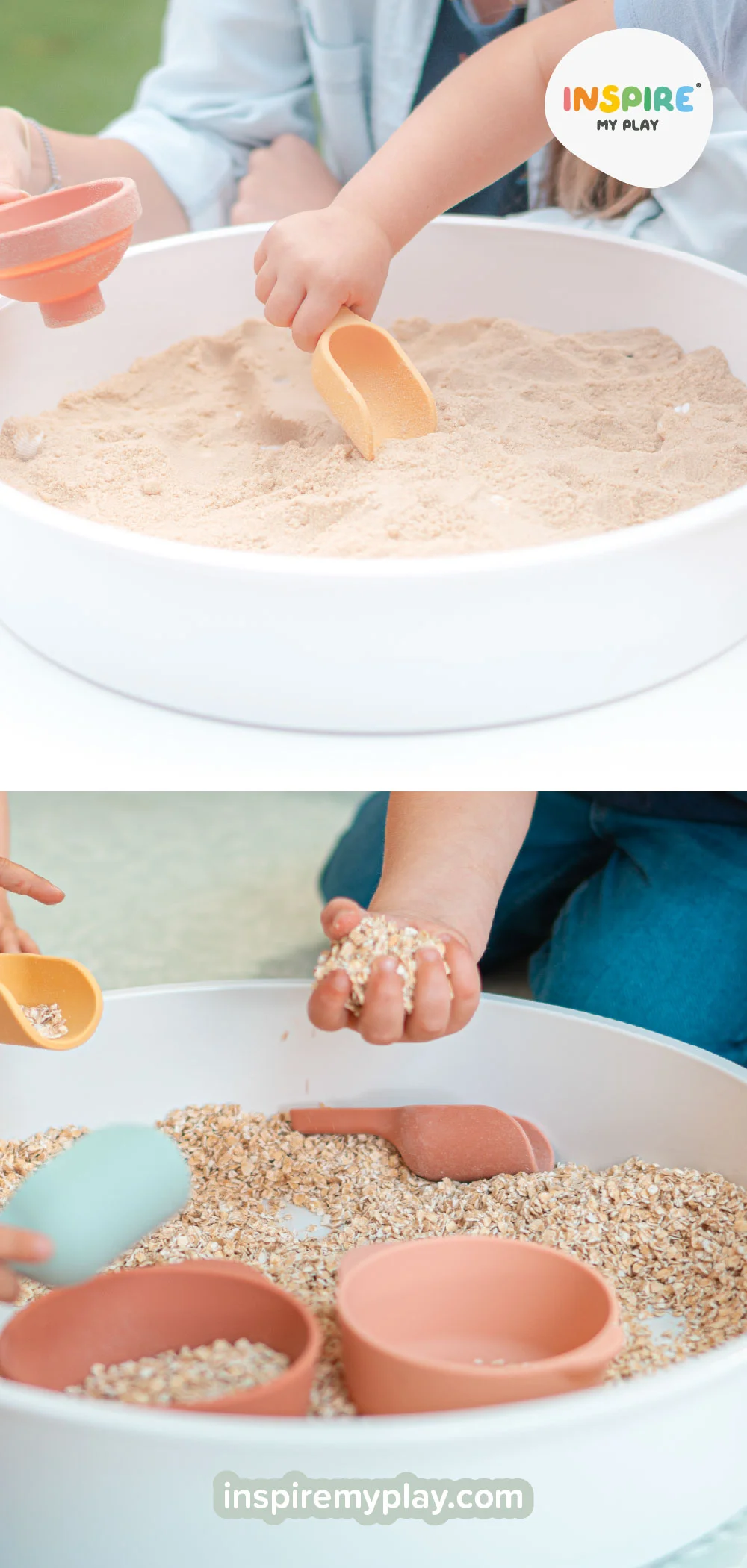
“Engaging a child in sensory activities on a frequent, regular basis can help to keep them engaged, focussed and in more control. When the child gets disorganised, these activities can help them to ‘find themselves again.” Bridgewater Community Healthcare, NHS Foundation Trust
Sensory Play Tips for Parents and Caregivers
Creating sensory play experiences doesn’t need to feel overwhelming. Small, simple setups can be just as effective as big activities.
Here are some gentle tips to help keep sensory play relaxed and enjoyable:
- Keep sessions short and flexible - Follow your child’s cues — some days they may play for minutes, other days much longer.
- Create a safe, contained space - A setup like the PlayTRAY helps children feel secure, supports focus, and keeps mess manageable.
- Follow your child’s lead - Let them explore textures, smells and tools at their own pace. Observation is just as valuable as hands-on play.
- Offer a mix of textures - Soft and squishy materials like playdough alongside rougher textures like sand, allow children to choose what feels right for them.
- Use repetition and routine - Familiar activities can feel comforting and predictable, especially during busy days.
-
Choose child-safe, easy-clean tools - Silicone scoops, bowls and tools are durable, safe and dishwasher-friendly — giving you peace of mind.
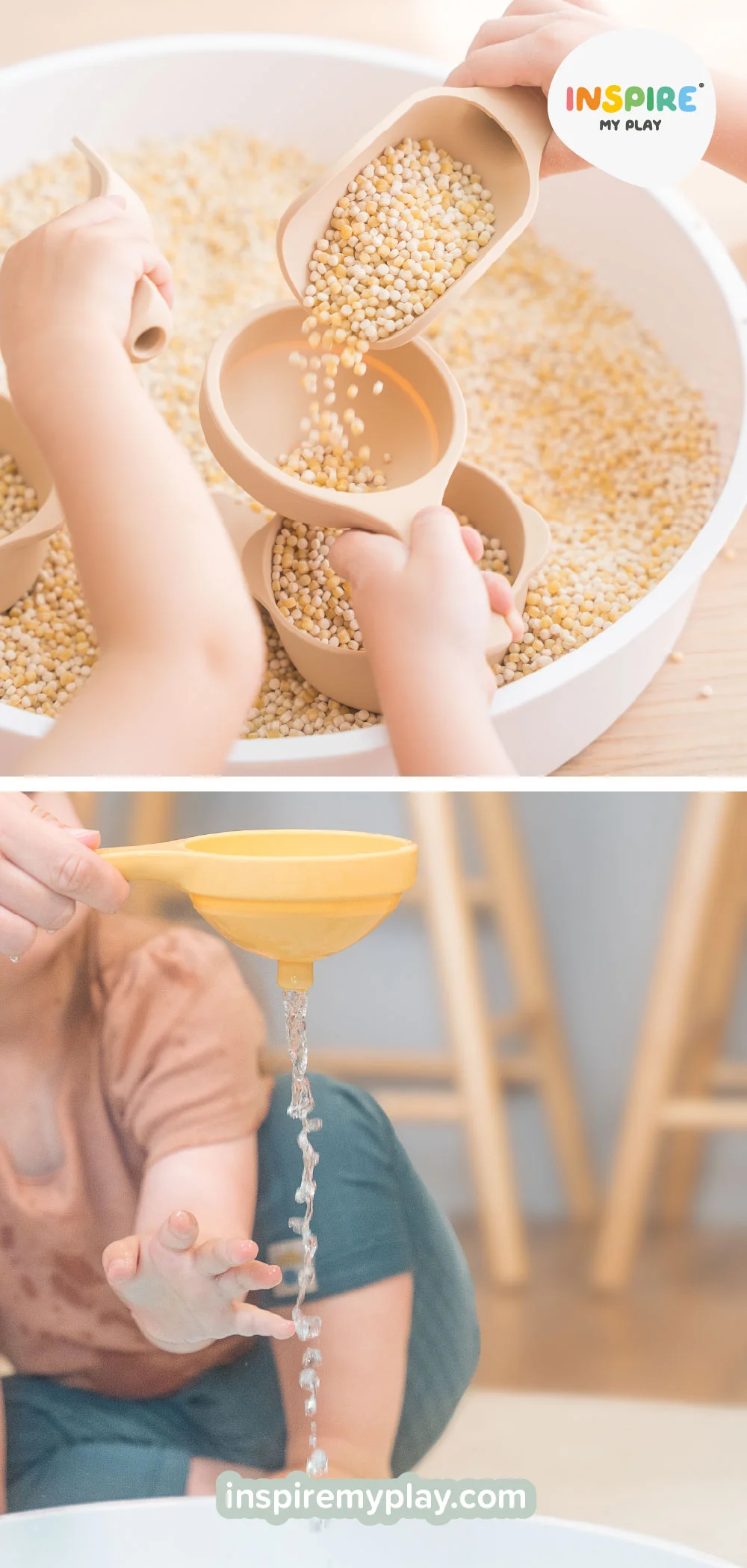
Sensory Play Tools for Children with Autism
Our sensory play products are designed to support hands-on exploration for children of all abilities, including children living with Special Educational Needs (SEN).
- PlayTRAY - A calm, contained space for wet, dry and messy sensory play.
- Sensory Play Starter Tool Kit - Soft silicone tools that encourage fine motor development and tactile exploration.
- Letters & Numbers Sets - Combine structured learning with sensory play to support early literacy and numeracy.
-
Sensory Play Nesting Bowl Set - Food-grade silicone bowls perfect for scooping, pouring, mixing and exploring.
View all of our sensory play tools and accessories here.
What Parents Are Saying
“My son has autism and sensory processing, a huge sensory seeker. We’ve done a couple of different PlayTRAYs and we’ve had lots of fun. Highly recommend.” Hayley
“I bought a bundle including the PlayTRAY for my daughter with additional needs including autism. What a great find and buy… Endless possibilities and I will just be adding to it forever!” Abigail
Every Child Experiences the World Differently
No two children are the same. And that’s something to be celebrated! Sensory play offers gentle opportunities for calm, joy and connection, while supporting the skills children need to thrive in their own way, and at their own pace.
Explore our sensory play tools designed for every child.
Happy PlayTRAYing!


