





11 Sensory Spring Activities for Toddlers and Young Children


Laura @inspiremyplay
Founder of @inspiremyplay, Early Years teacher for 11 years and mummy to three gorgeous girls. I'm passionate about about the benefits of play in early childhood.
Spring is the perfect season to get outdoors, explore nature and engage the senses. From blossoming flowers to soft grass, buzzing insects and muddy puddles, spring offers endless opportunities for toddlers and young children to play, experiment and learn. And what better way to do that than through hands-on sensory play!
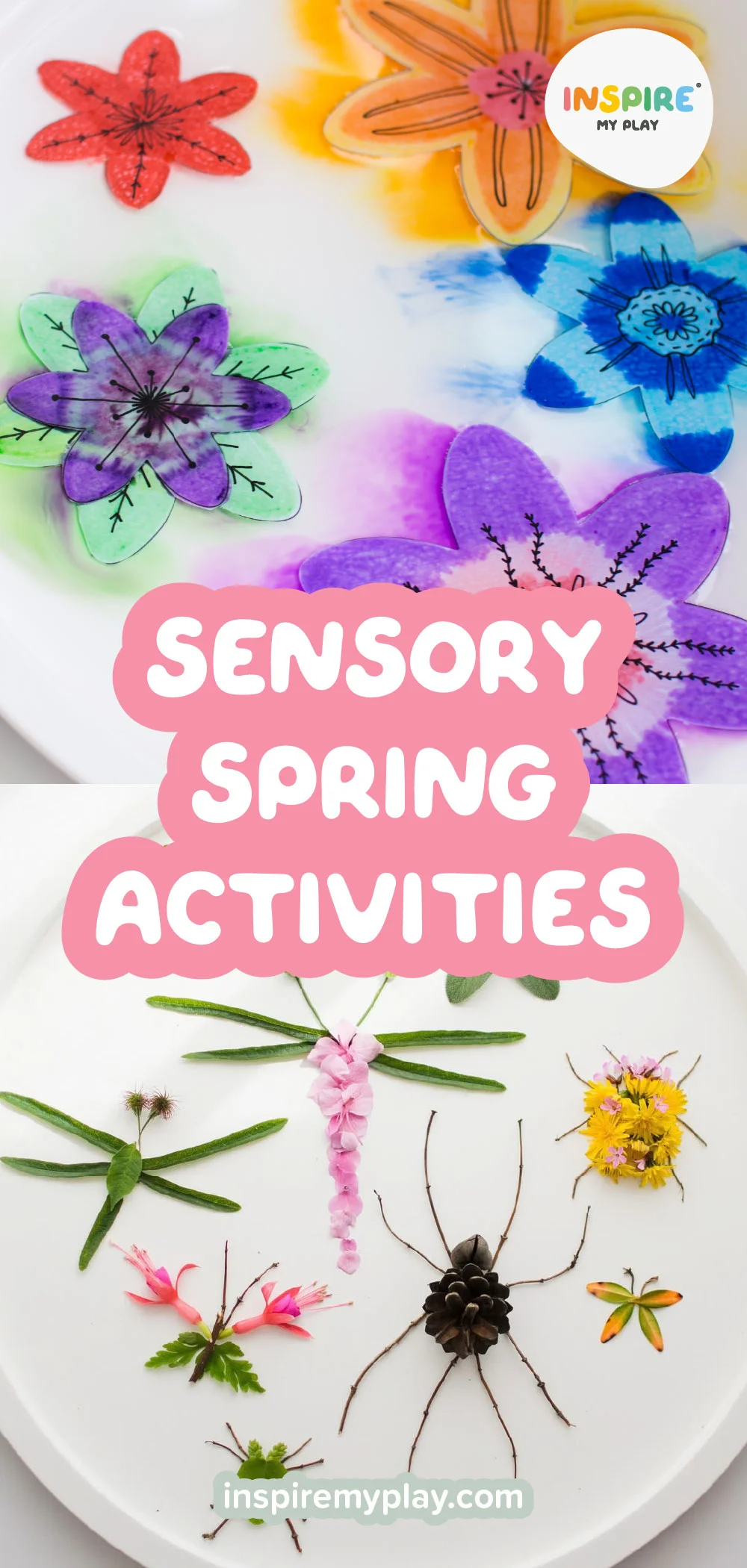
Here’s some fantastic spring activities to try at home that encourage curiosity and develop fine motor skills, problem-solving and creativity — all while enjoying the beautiful sights, smells, textures and sounds that spring brings.
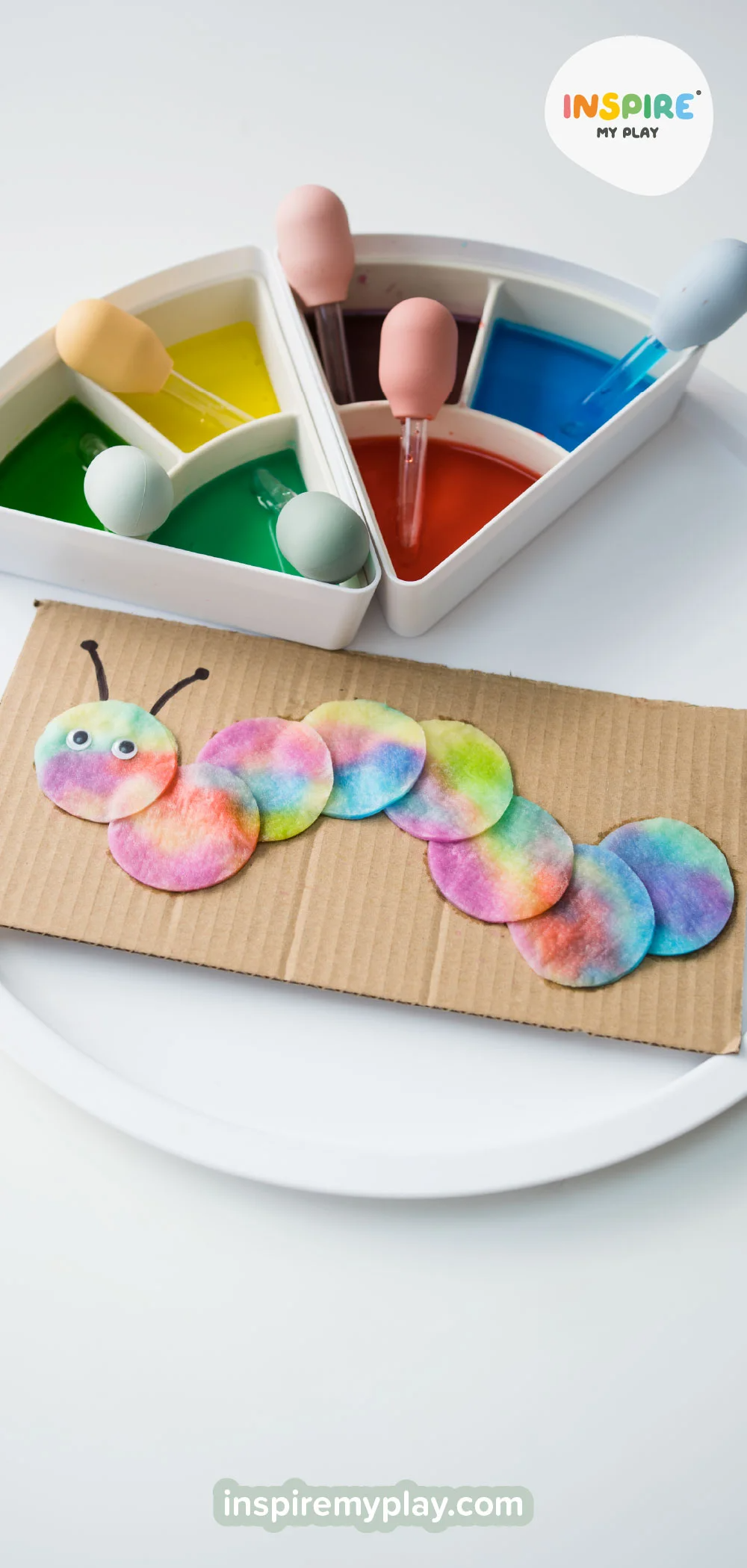
1. Cotton Wool Caterpillars Water Play
Spring is when caterpillars start appearing in gardens and munching on fresh leaves, and this fun activity lets your little ones get creative by creating their own colourful caterpillar! It combines water play, colour mixing and fine motor skill practice, keeping children entertained and engaged.
What you’ll need:
- PlayTRAY
- Silicone Inserts (optional)
- Water
- Food colouring
- Cotton wool pads
- Droppers
- Googly eyes
- Black marker pen
How to play:
- Fill the PlayTRAY compartments with water and add a few drops of food colouring.
- Place cotton wool pads on cardboard to form the shape of a caterpillar.
- Give your child droppers to squeeze and release coloured water onto the cotton wool pad, creating a multicoloured effect.
- Add googly eyes to the first cotton wool pad (the head) and draw filaments (tentacles) with a black marker.
Cotton wool pads are soft, absorbent and great for craft activities like this. Using droppers gives little hands a fantastic workout, developing fine motor skills.
Tips: Use silicone storage inserts to contain the water and wash them immediately after play to keep them pristine. If you’re worried about staining, The Pink Stuff Paste works wonders! Our silicone inserts are also great for holding paint or storing all your crafty bits like buttons, pom-poms and googly eyes!
If you’re child likes caterpillars, they’ll love our The Very Hungry Caterpillar craft featured in our Sensory Setups for World Book Day blog.
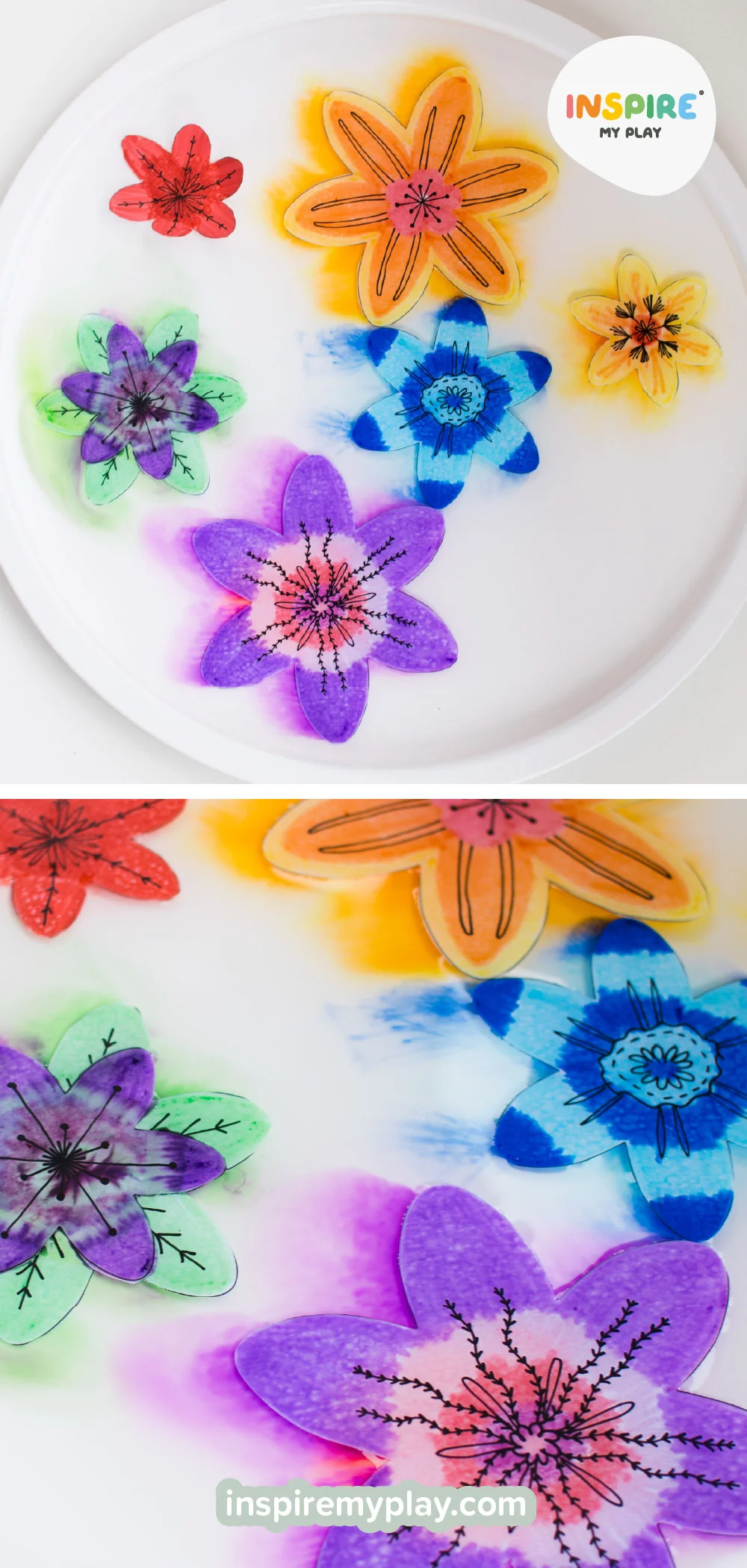
2. Water Blossom
Springtime is when beautiful flowers start to bloom and with this activity, children can watch their own paper blossoms soak up water and bloom right before their eyes!
What you’ll need:
- PlayTRAY (the lid works perfectly)
- Flower Printable (or draw your own outlines)
- Felt-tip pens
- Scissors
- Water
How to play:
- Download our flower outline printable and colour in using felt-tip pens.
- Carefully cut them out and fold each petal into the centre of the flower.
- Fill the PlayTRAY lid (or a shallow dish) with water.
- Gently place each folded flower onto the water and watch as the petals slowly unfold.
This activity captures a little spring magic! As the paper absorbs water, the petals open, creating a mesmerising sensory experience. It’s also a gentle way to encourage observation, patience, and prediction skills (“What do you think will happen next?”).
3. Nature Insects
Spring is the perfect time to get outdoors and discover the mini beasts that start to appear all around us! This simple creative nature craft is a great one for preschoolers, encouraging them to observe real insects, then design their own using natural materials they’ve gathered outside.

What you’ll need:
- Leaves, twigs, pine cones, flower petals, pebbles, grass, bark etc.
- The lid of the PlayTRAY (or another flat surface)
How to play:
- Head outdoors for a little nature treasure hunt, asking children to collect small items like leaves, petals and twigs.
- Back inside (or in the garden), use your PlayTRAY lid as a base to start creating their insects.
- Try making
- A spider from a pinecone body with twig legs.
- A butterfly with leaf wings and flower petal patterns.
- A bee from a pebble with painted stripes.
- Encourage your child to name their insect and make up stories about its adventures!
This activity blends creativity, nature exploration and imaginative play. It encourages observation of the world around them and supports fine motor skills as they arrange and balance their mini beasts.
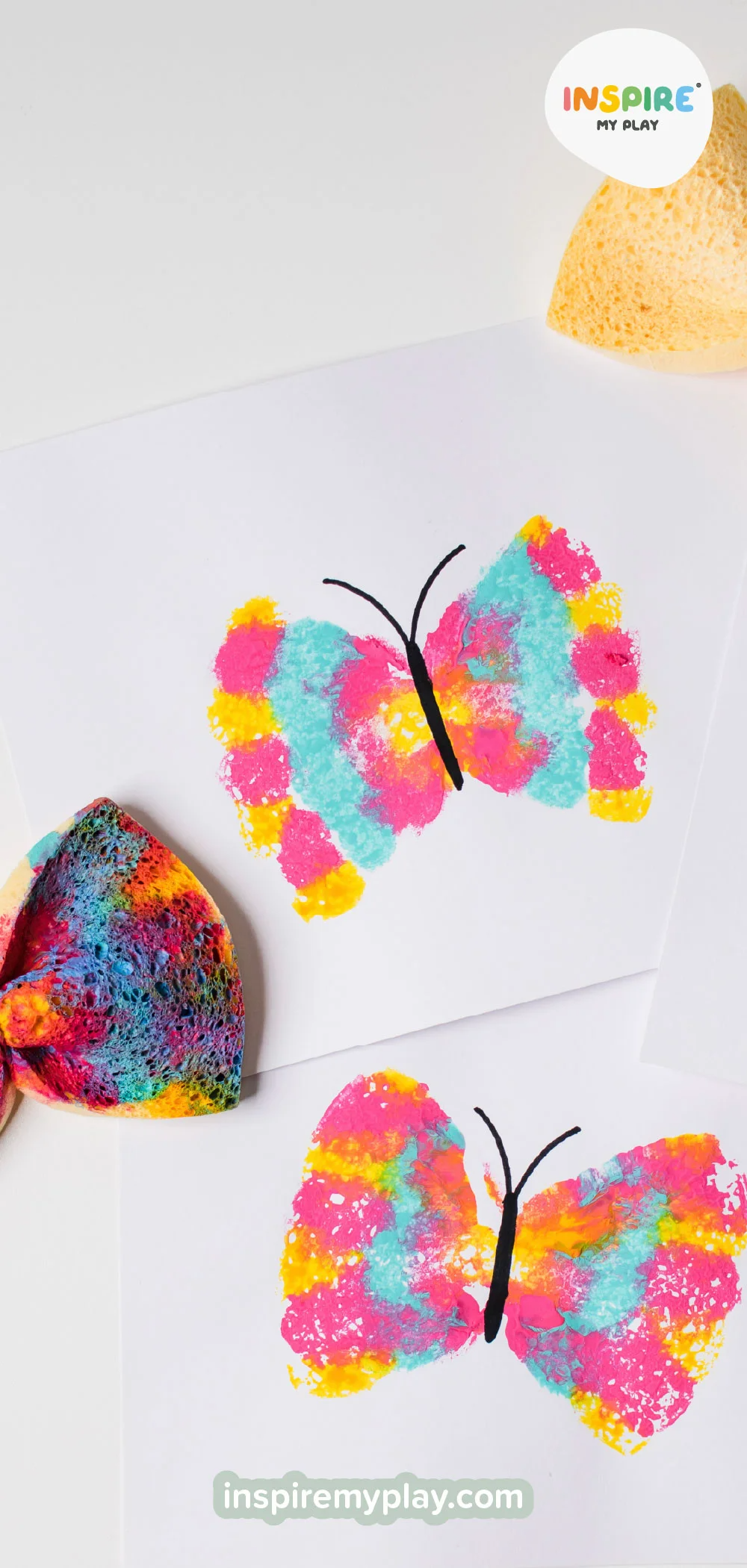
4. Butterfly Sponge Prints
Spring is the season for butterflies and this fun, hands-on printing activity is a lovely way for children to explore colours, patterns and symmetry while creating their own beautiful butterflies.
What you’ll need:
- A clean sponge
- Elastic band
- Paint (in bright spring colours)
- Paper or card
- Paintbrushes (optional)
- Black pen or marker
How to play:
- Secure an elastic band around the middle of the sponge to create butterfly-shaped wings.
- Squirt paint onto one side of the sponge — be generous for bold, bright prints!
- Fold the sponge in half so both sides have paint, then open it up again.
- Press the sponge onto paper to create your butterfly print.
- Peel the sponge away to reveal your colourful design.
- Once dry, draw on a butterfly body and antennae with a black pen.
You should be able to get a few prints from the same sponge before washing it. If you wash the sponge, give it a good squeeze to get rid of the water before printing again.
This is a simple but satisfying art activity that introduces the concept of symmetry and encourages creativity. Every butterfly will look different — just like in nature!
5. Taste-Safe Frog Pond
Spring is the season of new life, and what better way to celebrate than by creating your own frog pond! This squishy, taste-safe sensory activity is brilliant for exploring textures and imaginative play.
What you’ll need:
- PlayTRAY
- Chia seeds
- Water
- Food colouring (blue or green works best)
- Toy frogs and lily pads (or make your own from foam or leaves)
- Fallen flowers (they make great lilies)
How to play:
- Mix ½ cup chia seeds with 4 cups of water and a few drops of food colouring.
- Refrigerate overnight to thicken into a fun, jelly-like texture.
- Spoon the mixture into your PlayTRAY and spread it out evenly.
- Add toy frogs, lily pads and flowers to create your pond scene.
- Let your little one scoop, squish and explore!
The chia seed base feels wonderfully slimy and soft — perfect for early sensory exploration and encouraging small-world play! It’s completely taste-safe, so suitable for toddlers who are still mouthing.
Tip: Freeze leftover chia seed mixture for another play session, or add cornflour to make chia slime!
For more sensory bases ideas, check out our blog: “10 Sensory Bases for Small-World Play.”
6. DIY Bubble Wands
Spring sunshine and gentle breezes make the perfect setting for bubble play! This creative outdoor activity encourages children to experiment, move their bodies and enjoy the magic of blowing bubbles they made themselves.

What you’ll need:
- Sticks or twigs
- Yarn, string or wool
- Pipe cleaners
- Cookie cutters (optional, for shaping)
- Paint pens or markers (for decorating)
- Bubble mixture (or make your own – see below!)
How to play:
- Start by decorating sticks with yarn, string, or paint pens to make colourful handles.
- Twist pipe cleaners into different shapes like hearts, stars and circles, using cookie cutters as templates if you like. Spoon the mixture into your PlayTRAY and spread it out evenly.
- Attach your bubble-blowing shapes securely to the decorated sticks using leftover yarn or a glue gun.
- Dip into your bubble mixture and start blowing!
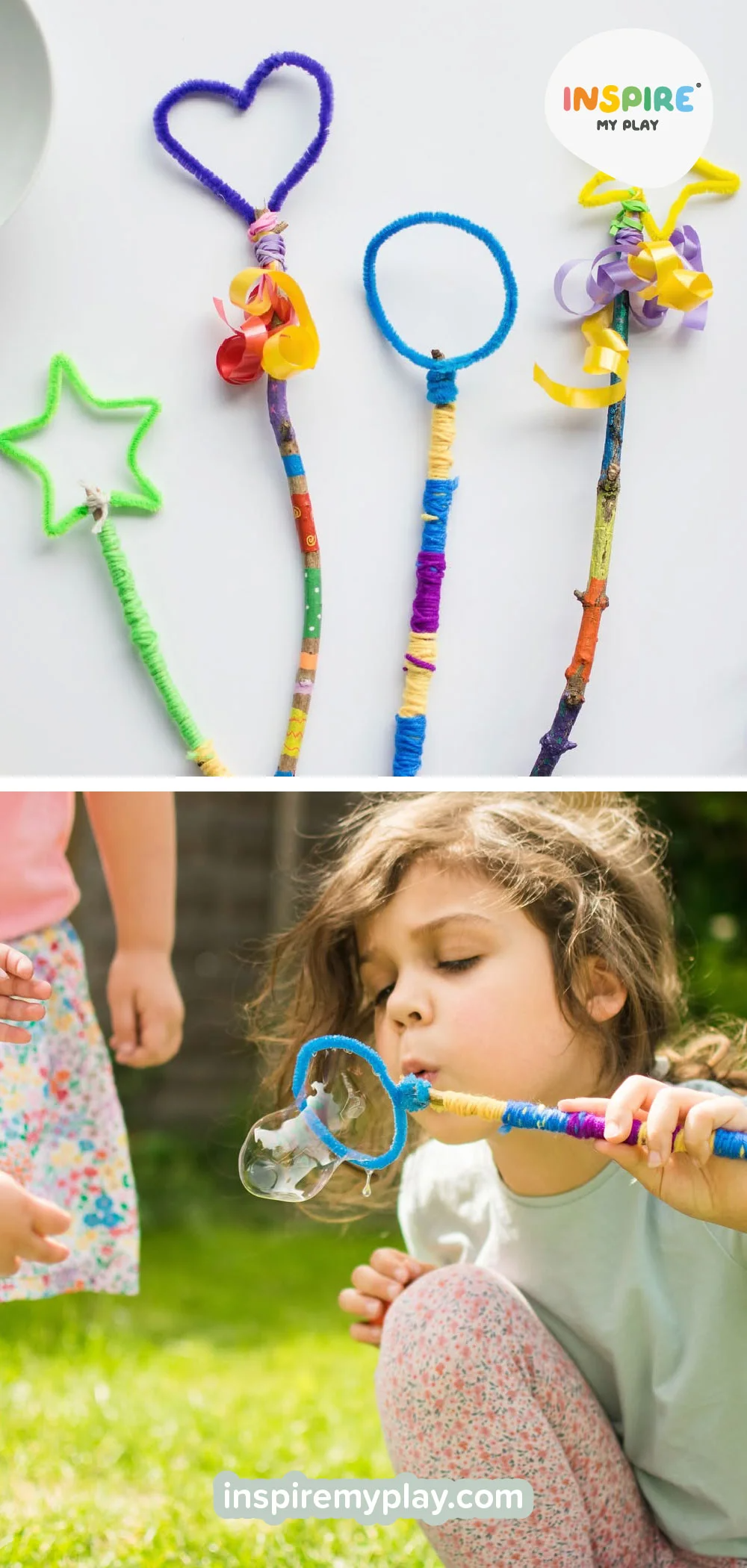
Make your own bubble mixture:
Mix 1 part washing-up liquid with 6 parts water in a shallow dish or tray.
This is a fantastic outdoor activity for spring — it combines creativity, gross motor movement and sensory exploration. Children can chase, pop, and watch the bubbles float away in the breeze.
Tips: Make sure the top of your wand is attached securely, as things can get slippery once soaked, and try experimenting with different wand shapes to see which ones make the biggest or longest-lasting bubbles.
7. Potato Masher Bee Prints
Spring is a busy time for bees, and this activity will definitely keep your little ones buzzing too! Using everyday kitchen utensils, children can create their own adorable bee prints while exploring shapes, textures and patterns.

What you’ll need:
- A potato masher (for the bee’s body)
- A mini whisk or milk frother (for the wings)
- Yellow and black paint
- Paintbrushes (optional)
- Paper or card
How to play:
- Dip the potato masher into yellow paint and print onto the paper to make the bee’s body.
- Using a brush or directly onto the masher, add black paint stripes before printing for extra detail.
- Use the mini whisk or frother to print wings on either side.
- Once dry, your child can add antennae, eyes or a smile with a marker.

This activity offers a lovely mix of sensory exploration and creativity, and it encourages children to think about the important role bees play in nature.
As I often say, this is about the process, not the final product. Try not to worry how bee-like their finished design looks, but instead focus on their enjoyment, the experimentation and the skills they are learning along the way.
8. Blossom Tree
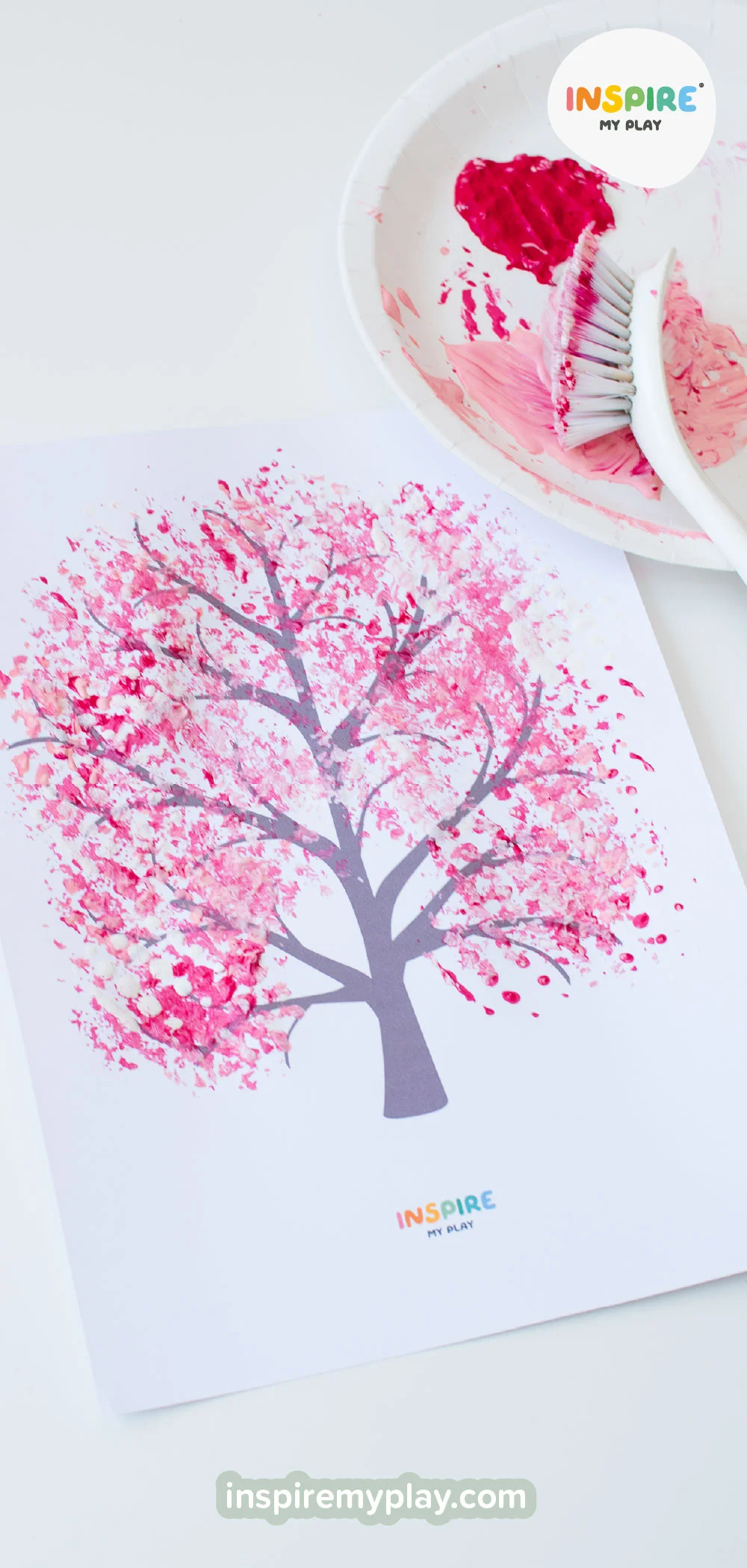
Celebrate springtime with this simple, hands-on art activity that lets children explore colours, textures and patterns. Perfect for toddlers and preschoolers, it’s a fun way to combine creativity with fine motor skill practice.
What you’ll need:
- Our Tree Printable (or draw your own)
- Dish brush or broccoli floret
- Paint in shades of pink, white and optional green for leaves
- Paper or card
How to play:
- Dip the dish brush or broccoli floret into paint.
- Dab onto the tree branches to create blossoms. Layer different colours for a more realistic, textured effect.
- Repeat across the branches until the tree is full of spring blooms.
- Optional: use a pen to add extra details like leaves, grass, or insects once the paint is dry.
This activity celebrates the colours of spring! Children develop hand-eye coordination, explore pattern making and enjoy the sensory experience of dabbing paint with different textures. It’s also a calm, mindful activity that encourages observation of nature.
9. Frozen Flower Discs
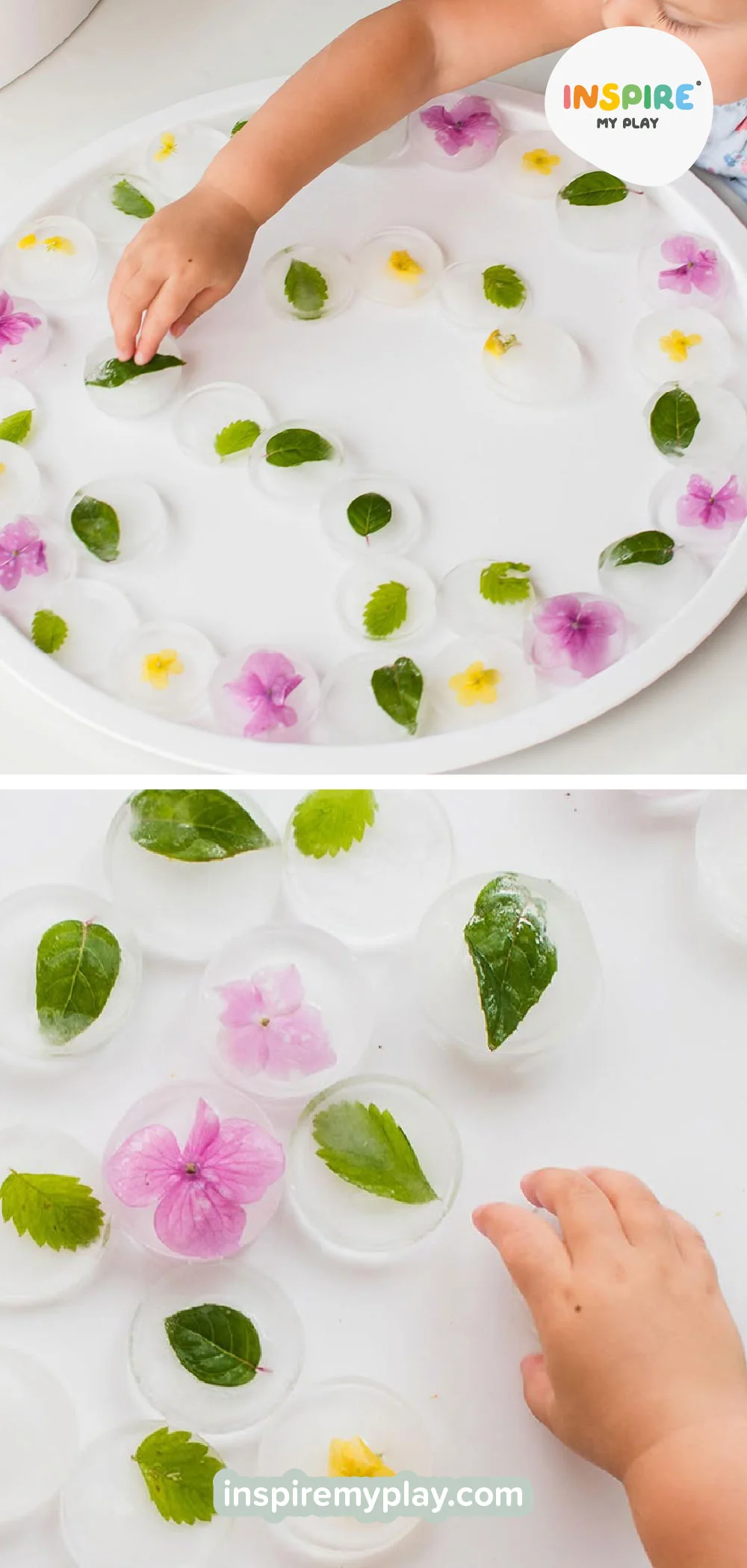
Spring brings fresh flowers and greenery and this icy sensory activity is a great way to explore them!
What you’ll need:
- The PlayTRAY lid
- Small shallow containers (ice cube trays, muffin tins)
- Water
- Fresh flower petals or small leaves
How to play:
- Fill the containers with water and add flower petals or leaves.
- Freeze overnight until solid.
- Pop the frozen discs out and let children explore them on the PlayTRAY lid or flat surface.
- Encourage them to slide the discs around, make patterns, or watch the petals move as the ice melts.
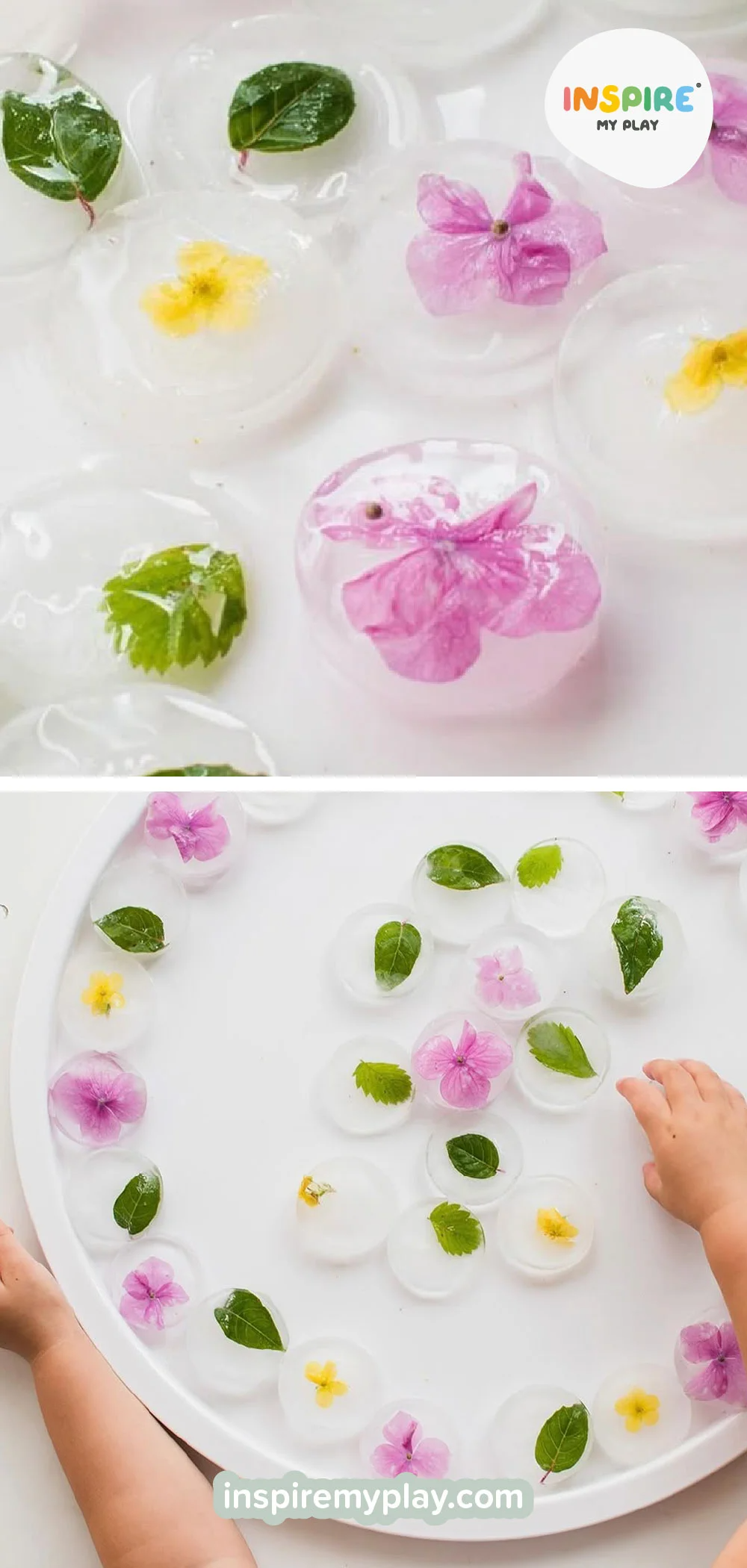
This activity encourages curiosity and sensory exploration, helping children notice colours, shapes and textures. The cold ice adds a new dimension to tactile play and watching the petals shift as the ice melts introduces early science concepts like cause and effect.
10. Worm Dig
Spring is when the garden comes alive and worms start wriggling through the soil — perfect inspiration for this messy, squishy sensory activity! Worm Dig encourages toddlers and young children to explore texture and develop fine motor skills while having lots of fun.

What you’ll need:
- PlayTRAY
- Chia seeds
- Water
- Scoops, small bowls and tongs
- Toy worms
How to play:
- Mix chia seeds with water to make your slimy, gooey base for the worms.
- Pour the mixture into the PlayTRAY.
- Hide toy worms in the chia base.
- Give your child scoops, bowls and tongs to dig, collect and move the worms around.
This activity combines tactile sensory play with problem-solving and imaginative fun. Children enjoy the slimy texture and discovering the hidden worms, which also builds hand-eye coordination and fine motor strength.
Tip: You may want to take this activity outside as chia seeds can be messy!
11. Bug Tray
Spring is a busy time for insects and this small-world Bug Tray lets children explore the insects that appear in gardens while engaging in hands-on sensory play.

What you’ll need:
- PlayTRAY
- Natural materials from the garden (pebbles, pinecones, twigs, leaves, grass, bark)
- Water and a drop of blue food colouring
- Coloured green rice for grass (check out our “How To Make Rainbow Rice for Play” recipe)
- Log slices Mini insects or bugs
- Chocolate cloud dough (1 cup flour, ½ cup cocoa powder, ¼ cup oil) for soil
- Small bowls, scoops and tongs
How to play:
- Gather natural materials from your garden on a short nature walk.
- Pop your PlayTRAY compartments into the deep tray and arrange the different materials in each segment to create your bug small world.
- Add chocolate cloud dough for soil, green rice for grass, logs, leaves and your mini insects.
- Encourage your child to explore, scoop and move the bugs/insects around the tray.
This activity sparks creativity, supports fine motor skills and introduces children to the natural world around them. It’s also a fantastic opportunity for imaginative play as they invent little bug adventures.
Enjoy the Beauty of Spring Through Sensory Play
Spring is full of sights, sounds and textures just waiting to be discovered, and these simple, sensory activities are a fantastic way to bring that excitement to your child’s playtime. From squishy frog ponds to colourful caterpillars, each activity encourages curiosity, creativity and fine motor development, while keeping play relaxed and fun.
Remember, sensory play is all about exploration and experimentation — there’s no right or wrong way play. So set up your PlayTRAY, gather some natural or taste-safe materials, and let your child spring into playtime!
Check out our others blogs for even more ideas, follow us on social @inspiremyplay and sign up to our newsletter for product news, offers and playtime inspiration.


