



When to start Sensory Play: A Parent’s Guide


Rebecca @inspiremyplay
Marketing Manager @inspiremyplay. Mum of two boys (and one very spoiled miniature dachshund). I’m passionate about helping families everywhere discover the joy and benefits of sensory play.
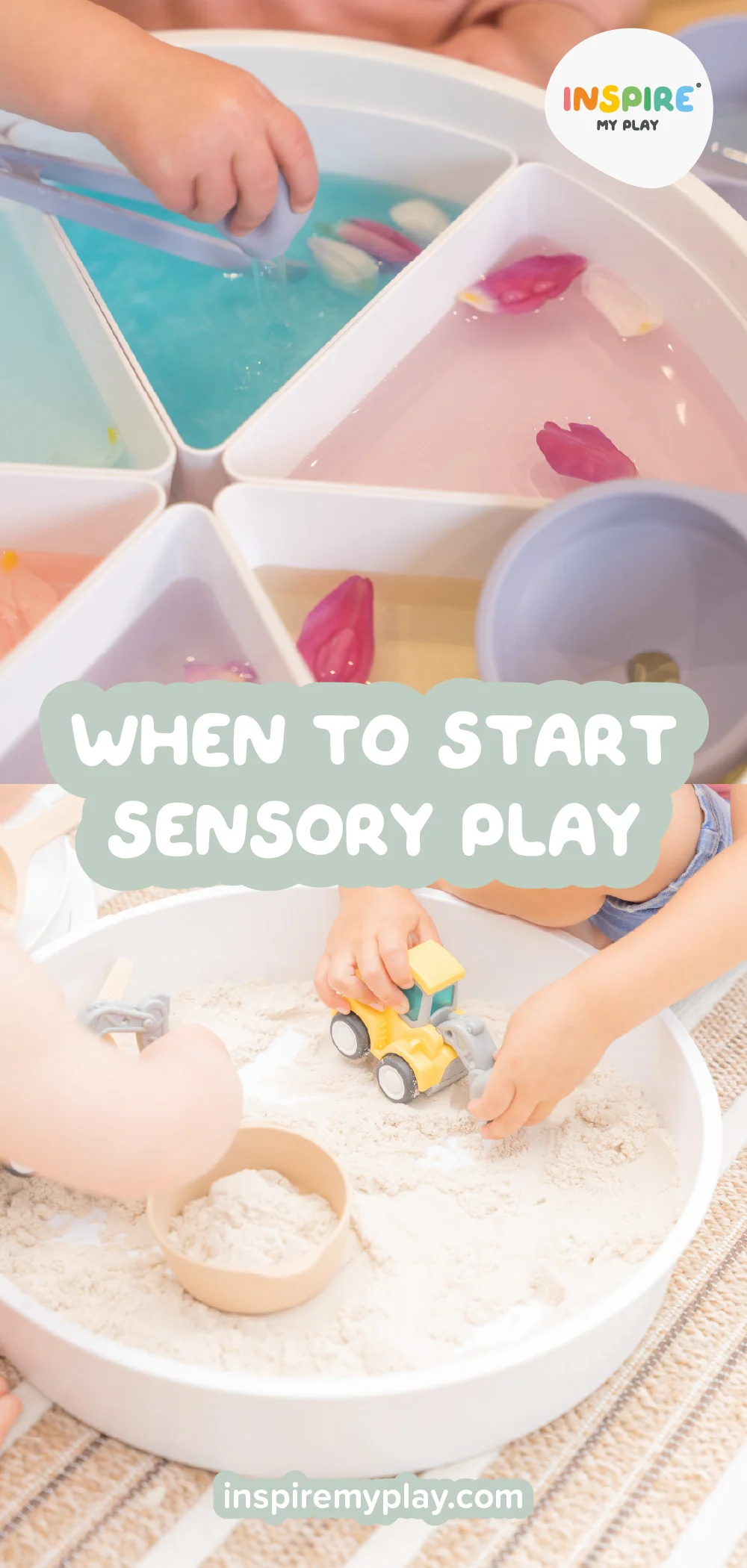
Sensory play is one of the most powerful ways young children learn about the world around them. From feeling different textures to pouring, scooping and exploring new materials, sensory play encourages curiosity, creativity and confidence through hands-on discovery.
At What Age Should You Start Sensory Play?
The good news is, it’s never too early! Sensory play can begin from birth, with newborns exploring their immediate environment through touch, smell, sight, sound and movement. Older babies love squishing and investigating different textures with their hands and mouths, while toddlers and preschoolers can enjoy scooping, sorting and early literacy and numeracy through playful activities with letters, numbers, and patterns. The key is choosing safe, age-appropriate materials and letting your child explore at their own pace.
You can read more about the incredible benefits in our “7 Amazing Benefits of Sensory Play for Children” blog.
In this guide, we’ll explore how sensory play evolves through early childhood and share simple ideas to help you get started.
Sensory Play from Birth
Even before birth, babies begin using their senses to understand the world around them. That’s why when they’re born, they can recognise your voice and smell.
In the very early weeks, sensory play doesn’t need to be planned, structured, or high-effort. Your baby is brand new to the world, and simply being close to you as they familiarise with the immediate world around them is already providing powerful sensory input. The sound of your voice, the feel of your skin, the smells of their family members and changing environments, the rhythm of things like your breathing, the pram or carrier and the sights and sounds of everyday life are more than enough stimulation in those first few weeks.
The world can be over-stimulating and one of the greatest things we can do during this period (perhaps for ourselves as well as our baby!) is to be observant of them, learning their cues and offering calm reassurance through our closeness, gradually carving out a routine that will allow time for play and for rest as your baby grows.
At this stage, sensory play is simple and gentle. Think soft textures, high-contrast visuals, familiar sounds and calm moments of connection. A walk outside provides rich multi-sensory stimulation without the need for any extra input and once your baby has had enough, they can close their eyes and sleep and you can continue to enjoy your walk!
Lying on the floor together, spending just tiny amounts of time on their tummy looking at contrasting images on cards or anything you have around the house can do wonders for stimulating their sense of sight. You can couple this with some music at a safe volume or even your own singing and this will engage multiple senses at once. If there are already other siblings in the house their noise and movement and interaction will provide rich stimulation for their new sibling!
If you have the energy in these first few days and weeks you might also enjoy introducing things like:
- Chiffon scarves which can be used to gently stroke their skin or play peek-a-boo without ever truly hiding your face which could distress a new baby.
- Black-and-white cards or books
- Gentle water play at bath time
- Listening to rattles or crinkly toys
- Short periods of tummy time on a soft, colourful play mat with contrasting colours.
- You could lay on your backs together in a darkened room and shine lights on a nearby surface if you wanted to!
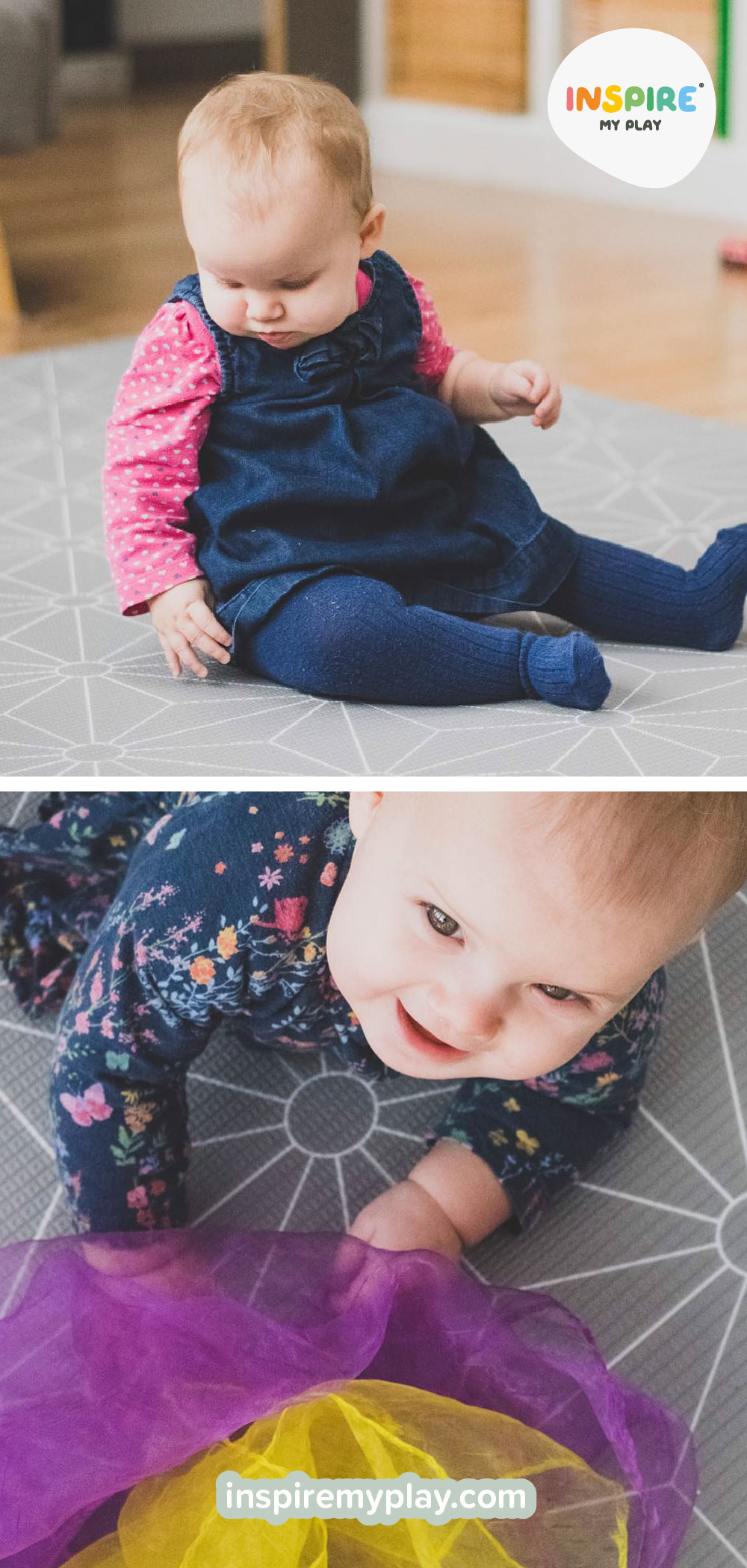
It’s just worth noting that less is more at this very young age where babies can lose interest surprisingly quickly and their energy is limited. Always observe your baby for cues that they are no longer enjoying the activity – a common one is them actively looking away. I would suggest never trying to persevere if you notice these cues as that can overwhelm a small baby quite quickly.
These experiences can support sensory awareness, early motor development and curiosity — but they are not a checklist to complete. There is no need to do everything, and no pressure to “maximise” your baby’s day.
In those first few weeks especially, your baby is absorbing an incredible amount simply by being in the world. Sometimes the greatest gift you can offer is closeness, calm and a sense of security. Rest when you can, take things slowly, and remember; loving presence is powerful play.
As the weeks pass you will get to know your baby’s appetite for different types of play, their routines will form and you can introduce longer periods of play or introduce different toys that suit your babies tastes.
Sensory Play for 6–12 Months
As babies grow, they become more eager to grab, squish, drop, explore and mouth everything they can reach. This is a wonderful stage to introduce slightly more interactive sensory play.
Here are some sensory play ideas for children aged 6-12 months old:
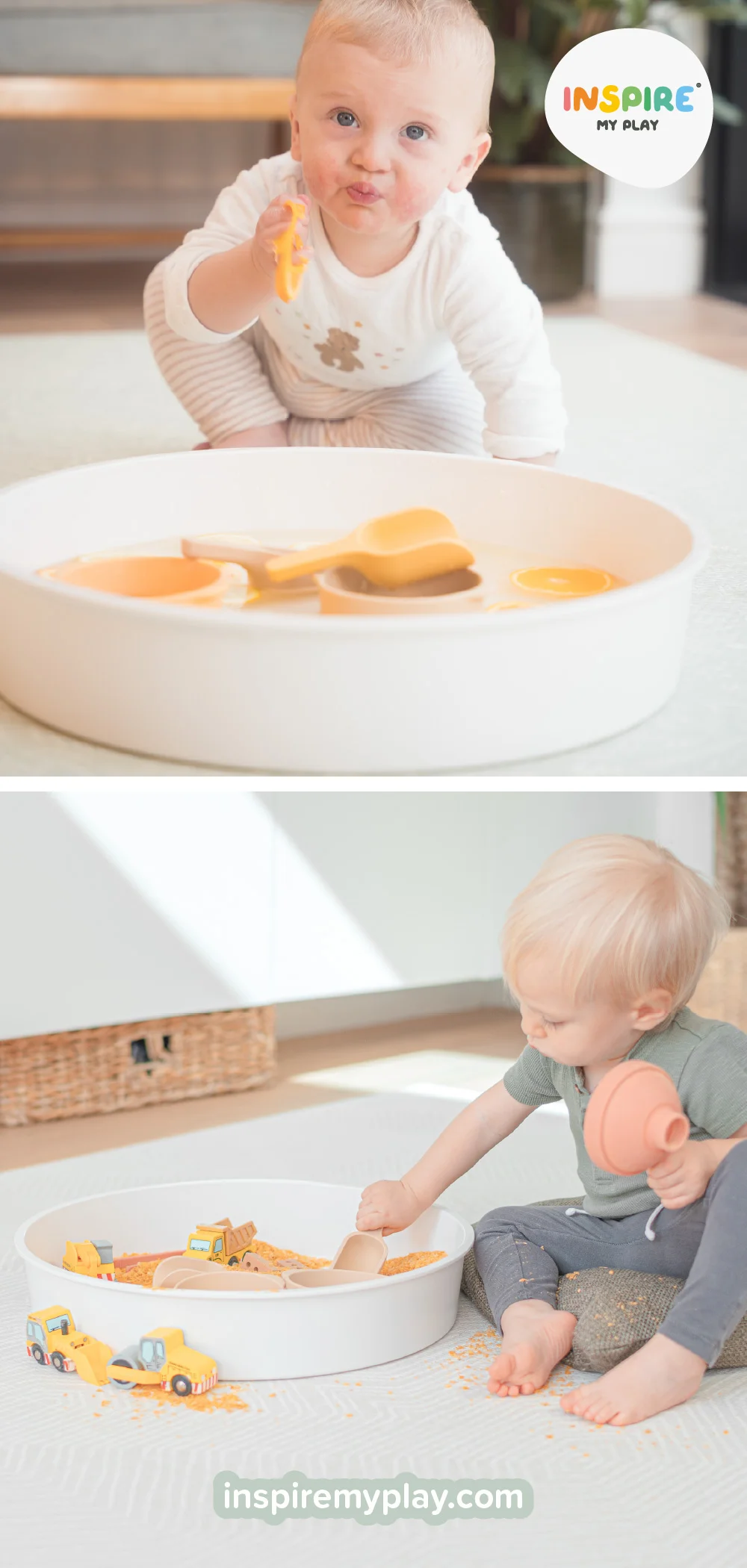
At this age, babies begin developing hand-eye coordination and early problem-solving skills as they experiment with how objects move and feel.
Our award-winning PlayTRAY, suitable from 6 months+, can be especially helpful here to contain messy play and create a clear, safe play space. And if you’re looking for simple, stress-free activities, check out our Baby Sensory Play Activity Cards. Each card features an engaging, taste-safe activity to support your little ones learning and development.
Sensory Play Activity Idea for Babies: Taste-Safe Baby Farm
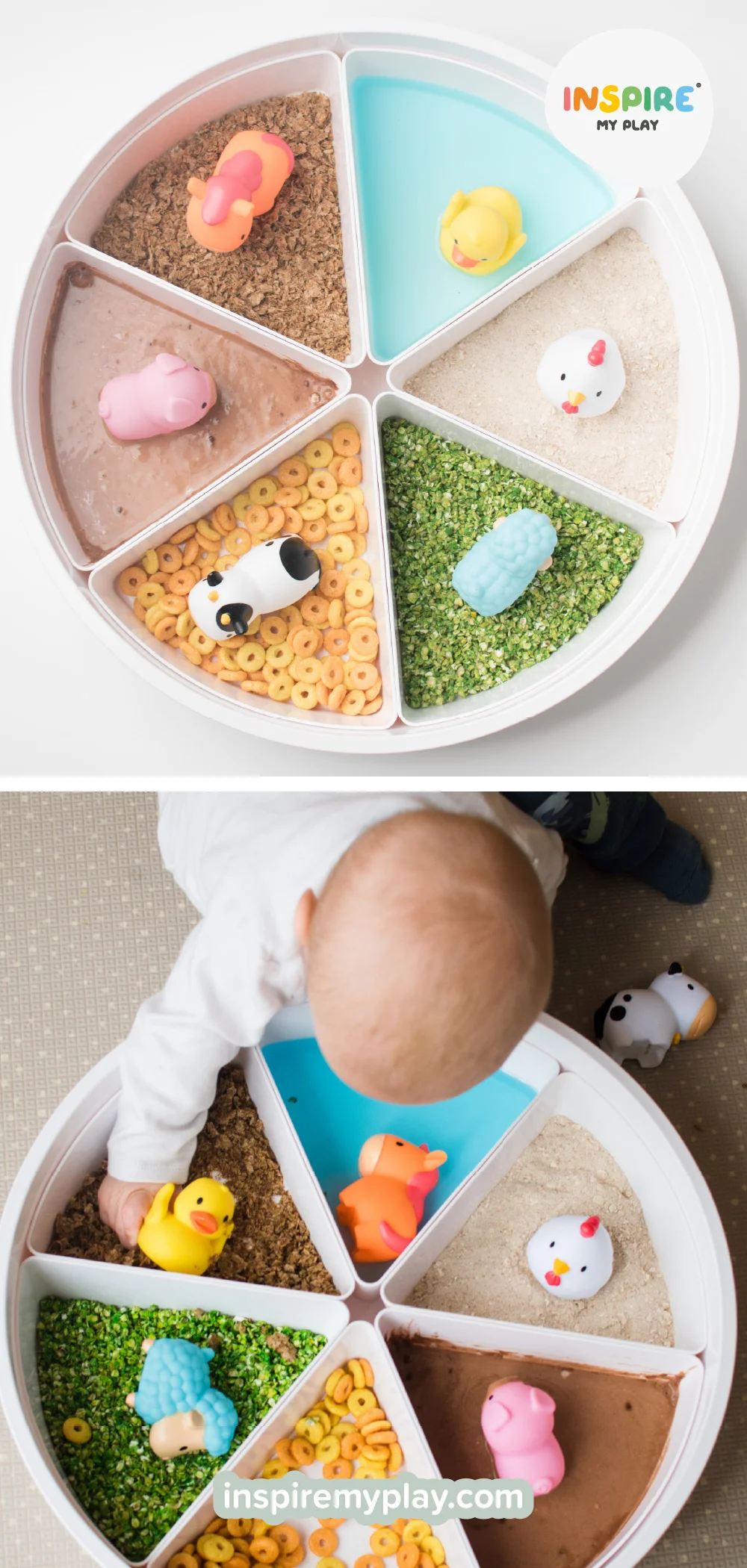
This taste-safe farm features in our Baby Sensory Activity Cards. Using cereal, dried oats, crushed Weetabix, baby porridge and water, it’s super simple to create at home and lets babies really get stuck in, exploring new textures with their hands (and mouths). It can get messy, so you may want to put them in a bib, or just in their nappy or baby grow if it’s a warm day!
Tag us @inspiremyplay if you give it a try!
For more great ideas, check out our blog: “Sensory Play for Babies: 20+ Simple and Fun Ideas.”
Sensory Play for Toddlers (1–3 Years)
Toddlerhood is when sensory play really comes to life! Children love to scoop, pour, mix, dig and experiment, and these activities support so many areas of development.
Sensory play helps toddlers develop:
- Fine motor skills
- Language and communication
- Creativity and imagination
- Early problem-solving skills
Some favourite toddler sensory play ideas include:
- Rice or pasta sensory bins
- Water pouring stations
- Playdough exploration
- Scooping and sorting activities
- Nature-based sensory trays
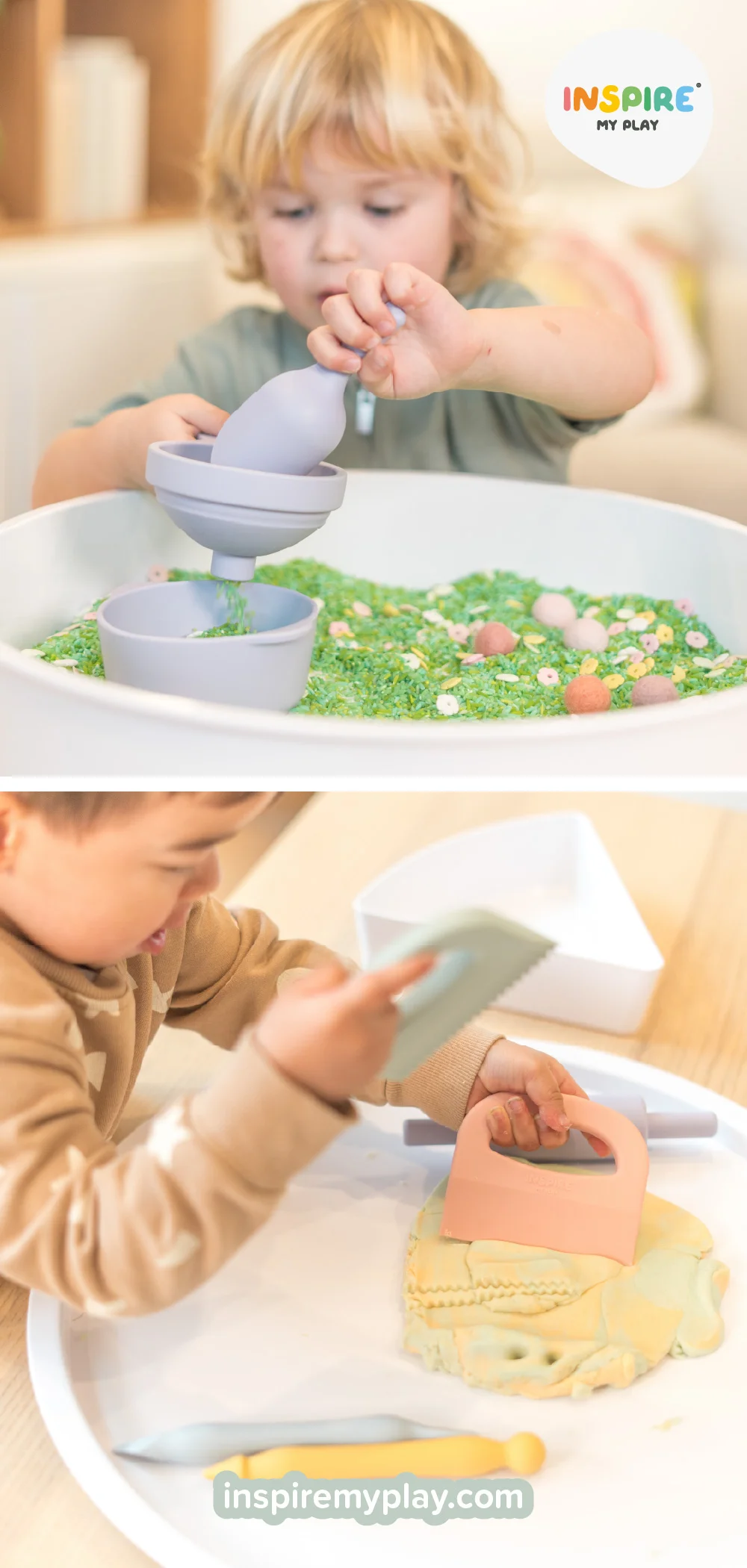
If you’re looking for more inspiration for your PlayTRAY setups, check out our blog: ‘10 Sensory Bases for Small World Play.’
Using tools designed for little hands makes these activities even more engaging and encourages independent exploration. If you’re just starting your sensory play journey, our Sensory Play Starter Set includes everything your toddlers needs to explore new textures, tastes, smells and materials in a contained play space with child-friendly tools for scooping, pouring and exploring!
If you already have a sensory bin or tray, our Sensory Play Starter Tool Kit, is a great way to expand and enhance your little one’s sensory play experiences.
Sensory Play Activity Idea for Toddlers: Chia Seed Dinosaur Swamp
If your little one loves dinosaurs, then they’ll love this Dinosaur Swamp made from leftover chia seed.
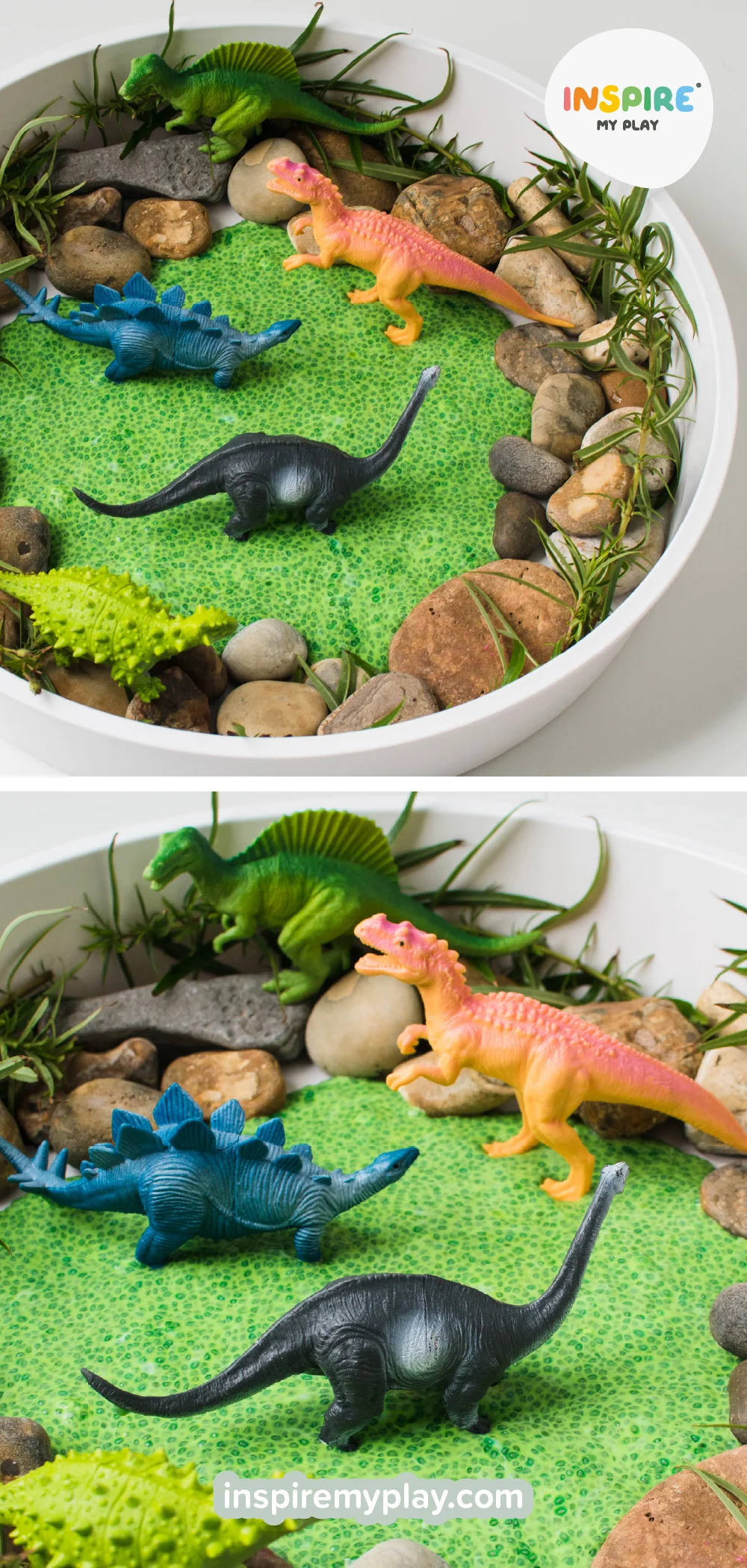
What you’ll need:
How to play:
- Mix ¼ cup of chia seed with 1½ cups of water.
- Refrigerate overnight.
- Add ½ cup cornflour/cornstarch.
- This will create a swamp-like texture to fill the bottom of the PlayTRAY. (Add more cornflour for a thicker, more slime-like consistency that comes off little hands more easily)
- Set your dinosaur swamp up in the PlayTRAY with stones and greenery from the garden, plus your toy dinosaurs.
- Provide scoops for more exploration.
Tip: Chia seed can get messy so you may want to take this activity outside and wear old clothes!
Sensory Play for Preschoolers
As children approach preschool age, sensory play becomes a wonderful opportunity to introduce early learning skills in a playful, hands-on way.
Perfect preschool activities to try at home include:
- Pre-writing patterns in sand or salt
- Number matching and counting games
- Letter tracing
- Sorting by colour, shape or size
- Small-world imaginative play
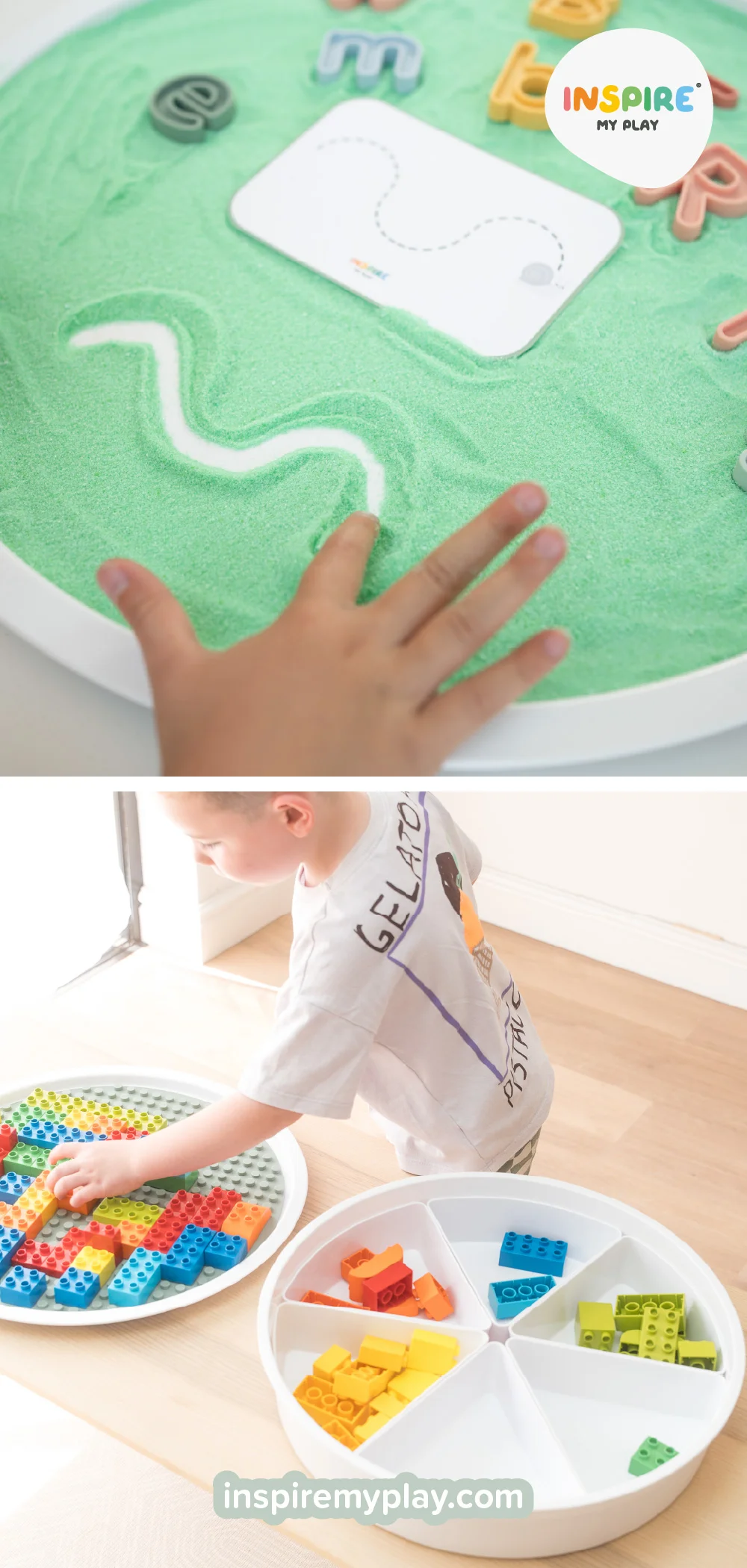
These playful activities help children develop early literacy, numeracy and the fine motor control needed for writing, all while keeping learning fun and engaging. Sensory play also encourages focus, creativity, and independent exploration during these years.
Our silicone, water-resistant Letter & Number sets are perfect for exploring early literacy and numeracy. Each letter and number features a recessed profile for stamping into sensory materials like sand or playdough, helping children learn letters through tactile exploration. They’re also colour-coded to make learning even easier!
If you’re keen to develop your child’s fine motor skills in preparation for starting school, check out our blog: ‘5 Sensory Play Activities to Strengthen Fine Motor Skills.’
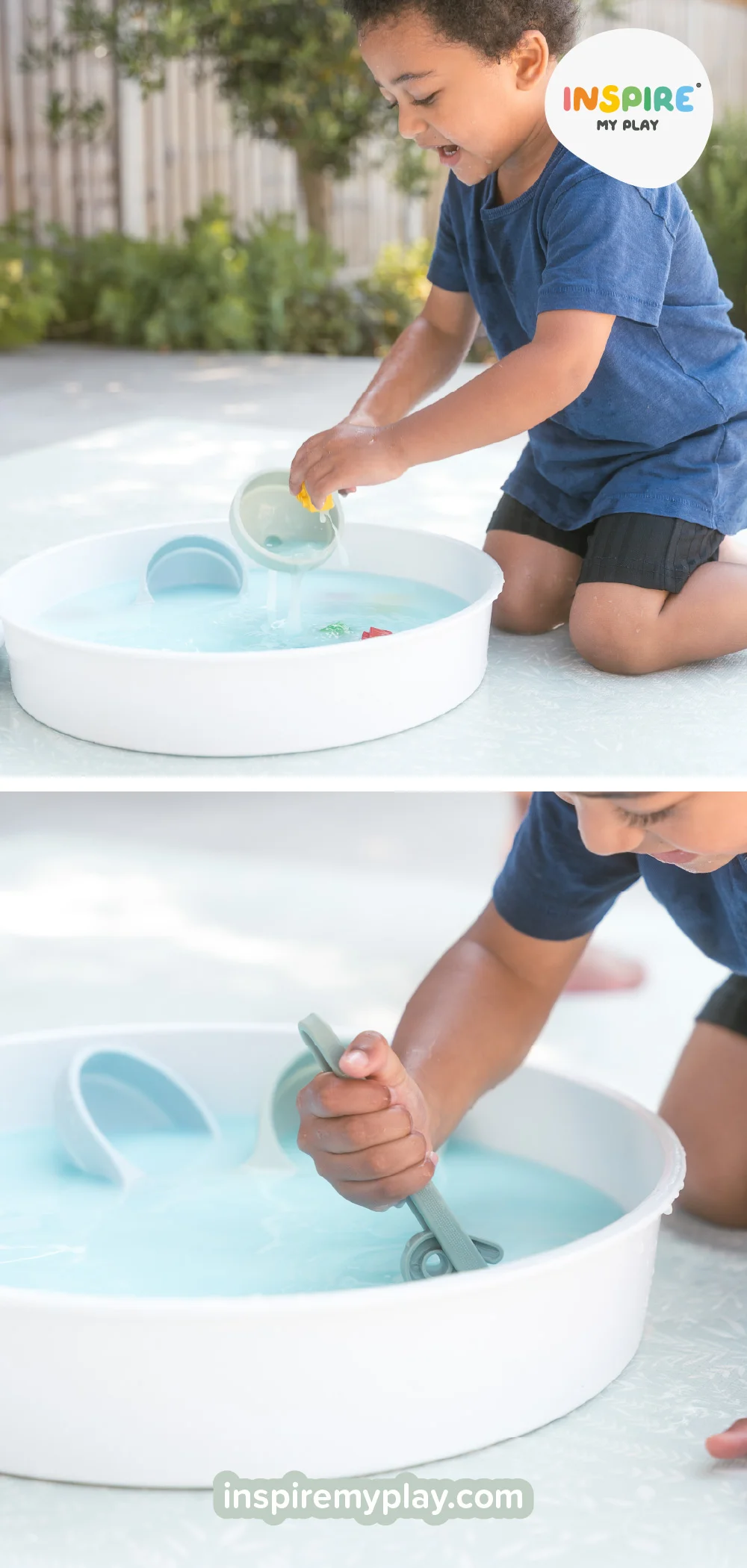
Sensory Play Activity Idea for Preschoolers: Mystery Water Alphabet Letters
Early experiences with letters and shapes help children:
- Recognise letters and connect them to their sounds.
- Develop hand control and coordination needed for writing.
- Gain confidence and familiarity before putting pen to paper.
Exploring letters through playful, sensory activities makes learning fun, meaningful and prepares children for successful handwriting. And this Mystery Water sensory play activity makes learning letters magical.
What you’ll need:
- ¼ cup cornflour/cornstarch
- Food colouring
- Water
- PlayTRAY
- Alphabet letters
-
Tongs
How to play:
- To make the letters disappear add 1/4 cup of cornflour (cornstarch) and whisk into coloured water (by adding your chosen food colouring)
- Hide your alphabet letters in the water.
- Using our child-friendly tongs invite your little one to retrieve the letters.
- Encourage them to name each letter as they find it – this helps connect shapes with sounds.
- Match the letters to our free Alphabet Letter Printable.
Tip: Laminate the printable (or pop it in a clear bag) to keep it protected during play.
Tips for Starting Sensory Play
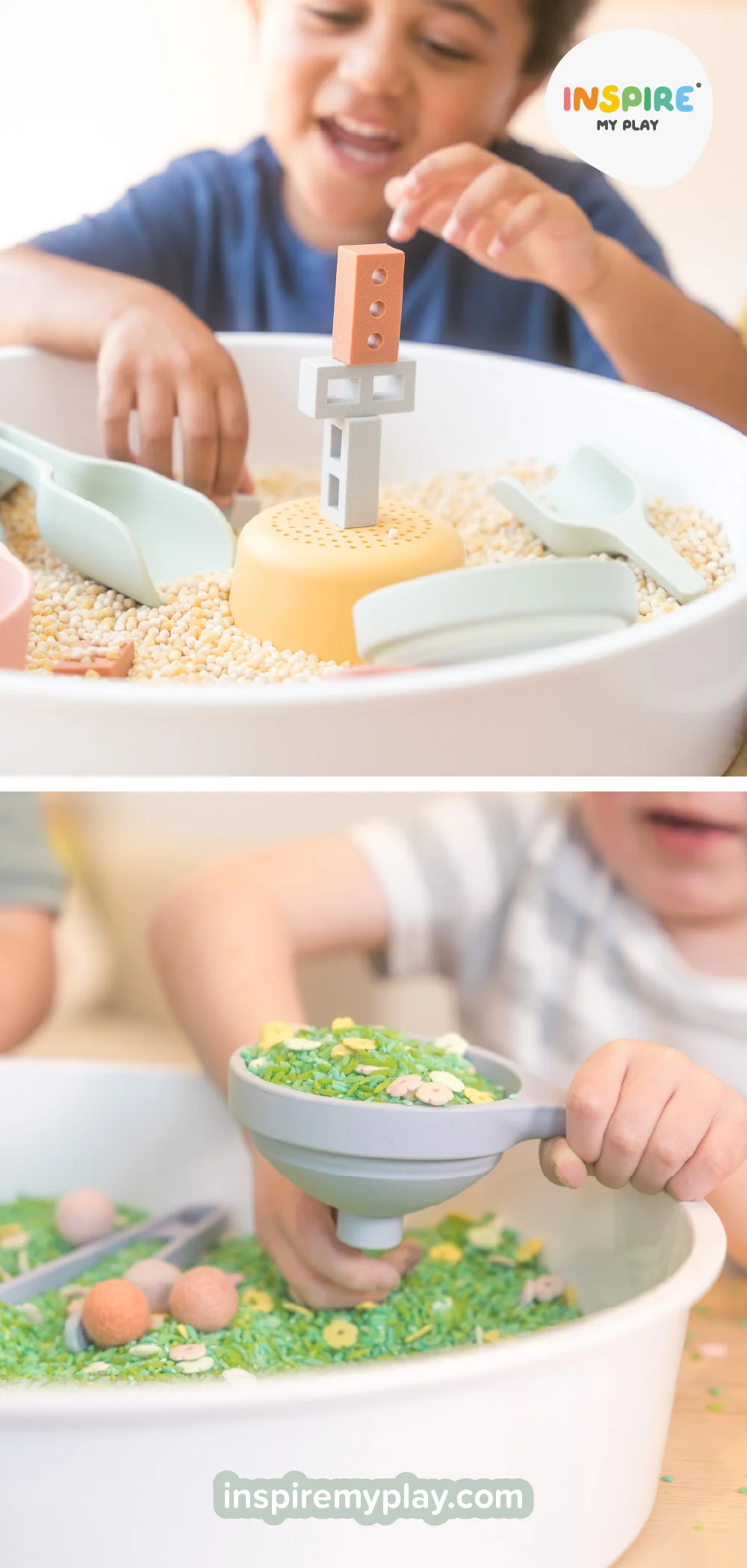
If you're just getting started, our main tip is: keep things simple and fun. Sensory play doesn’t need to be complicated. Everyday materials from your kitchen cupboards are all you need to create engaging setups your little one will love!
Here are five simple tips to help get you started:
- Always supervise - Young children should always be supervised during sensory play, especially when small materials or water are involved.
- Choose non-toxic materials - Use safe, taste-safe or non-toxic materials appropriate for your child's age. All of our sensory tools are made from food-safe, BPA-free, phthalate-free materials for complete peace of mind.
- Use age-appropriate tools - Tools designed for little hands make it easier for children to scoop, pour and explore successfully.
- Start simple - You don’t need elaborate setups. A PlayTRAY with a single material like rice, oats or water is often more than enough.
-
Focus on fun - There’s no right or wrong way to play. Sensory play works best when children are free to explore at their own pace.
Ready to Start Your Sensory Play Journey?
If you haven’t started sensory play from birth, don’t worry. It’s beneficial at every stage of early childhood, supporting everything from early sensory awareness in babies to creativity, fine motor skills and early learning in preschoolers.
Our multi-award-winning PlayTRAY and sensory tools are thoughtfully designed to grow with your little explorer, making it easy to create meaningful, hands-on play experiences at home.
Browse our sensory play essentials and discover the joy of learning through play today!
Happy PlayTRAYing!


