





5 Sensory Play Activities to Strengthen Fine Motor Skills


Louise @inspiremyplay
Part of the @InspireMyPlay team. Sensory play specialist and mum to two boys.
Sensory play is a wonderful way to strengthen your child’s fine motor skills — the small muscle movements in their hands and fingers that are needed for everyday tasks like holding a pencil, and fastening buttons. Through scooping, pinching, pouring and squeezing, sensory play naturally builds strength, coordination and control.
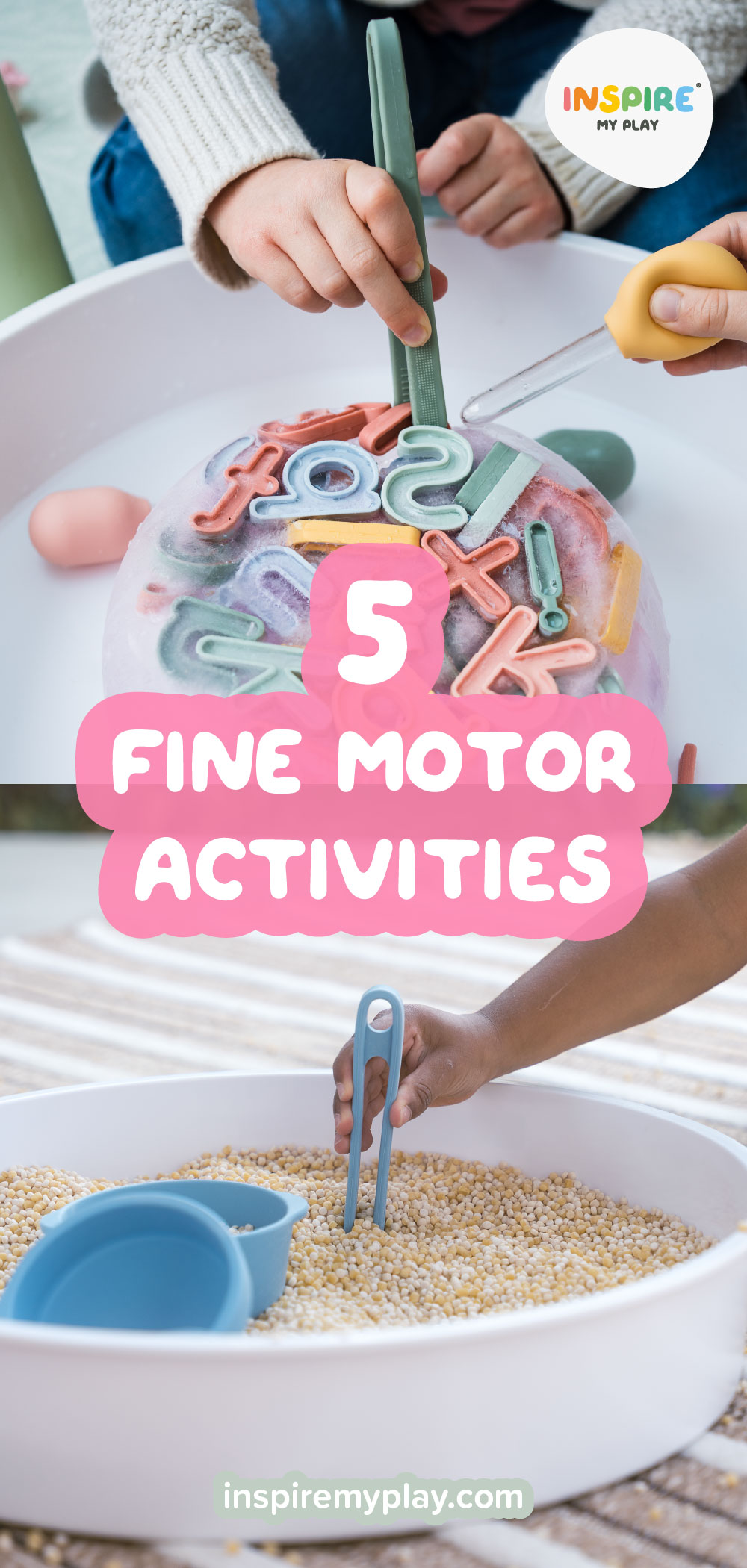
Here are five simple, hands-on activities that make developing fine motor skills both fun and engaging.
1. Salt mark making
Mark making is an important early step toward writing, helping children learn to control their movements and form shapes and lines. A simple salt tray is a brilliant way to encourage this!
Our mark-making cards invite children to explore early strokes such as zigzags, loops and wavy lines, helping to prepare little hands for those all-important writing skills. The salt adds a lovely sensory element, and the gentle tracing motion is brilliant for building confidence too.
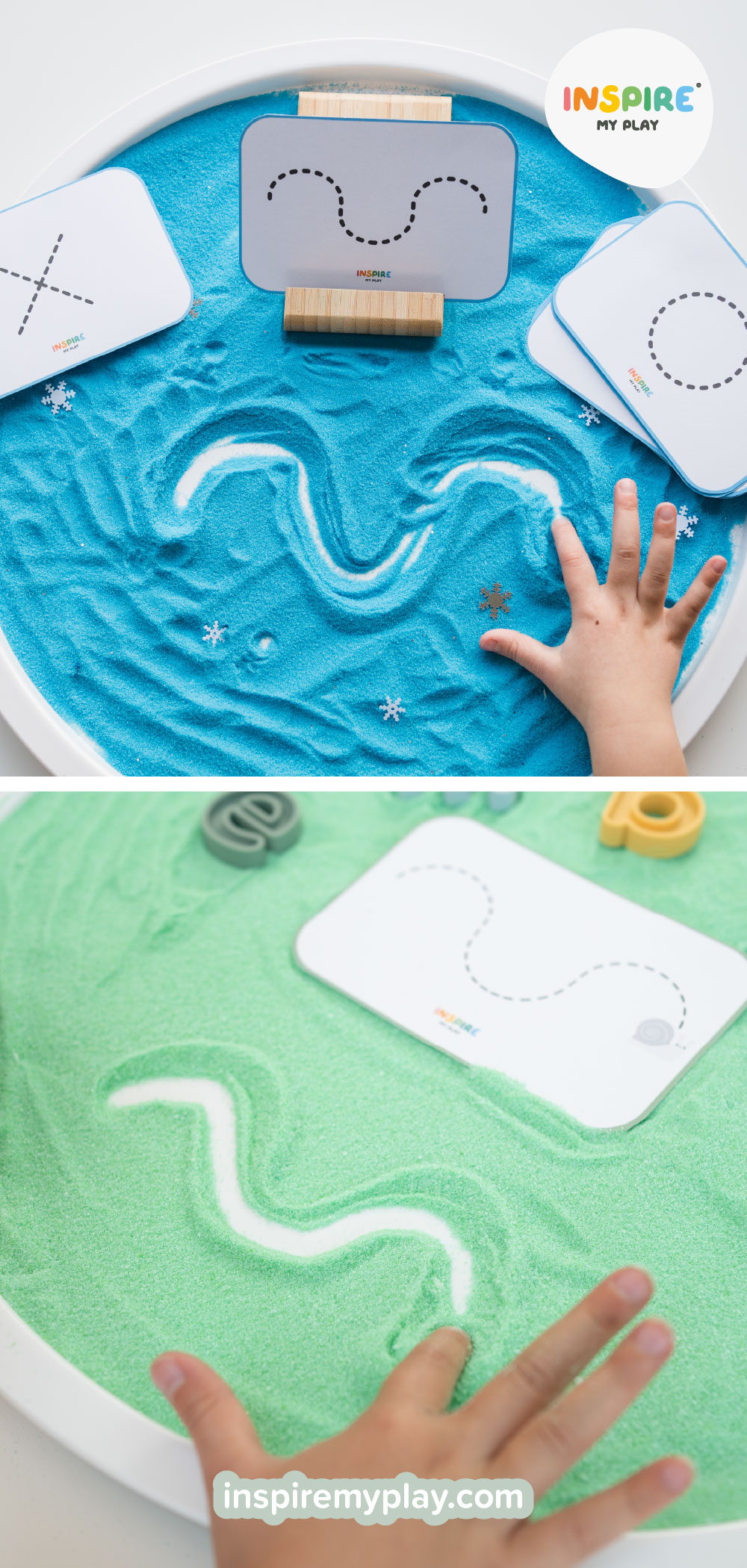
To colour your salt:
- Pop some salt into a clear plastic bag.
- Add a few drops of food colouring.
- Scrunch the bag until everything is coated.
- Pour the salt onto a tray and leave to dry.
We added a sprinkle of bio glitter and some mini snowflakes to give this tray a wintery twist, but you can keep things simple if you prefer. Our mark-making cards pair perfectly with sand, mud, shaving foam, or laminate them for use with a dry-wipe pen — perfect for plenty of reusable mark-making fun!
Don’t forget to download our free printable Pre-writing Flash Cards — they’re perfect for using alongside this setup!
2. Mystery Alphabet Letters
This one always feels a little bit magical! These “mystery” Alphabet Letters disappear as children submerge them in coloured cornflour water, creating lots of excitement and plenty of opportunities to chat about letter shapes and sounds.
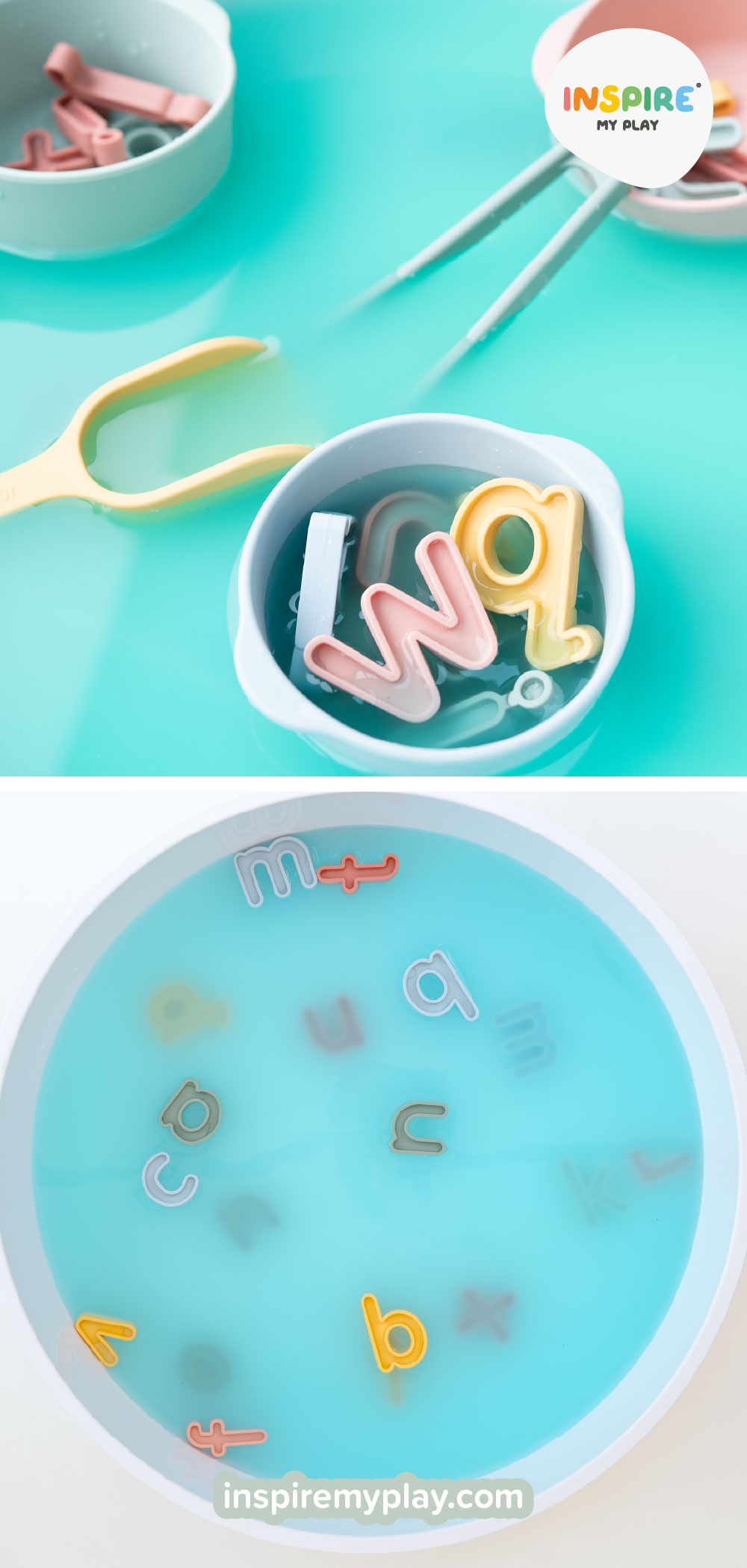
To make the mixture, simply whisk ¼ cup of cornflour into coloured water until it turns opaque, then add our Alphabet Letters into the water and watch them disappear.
Top Tip: Laminate your Alphabet Letters Activity Sheet (or pop it in a clear bag) to keep it protected during play.
Give children our tongs and scoops and encourage them to carefully retrieve the letters from the water. This is a brilliant way to strengthen hand muscles and develop hand-eye coordination, while also slowing the activity down and adding focus. Once retrieved, children can match the letters to our Alphabet Letters Activity Sheet, supporting letter recognition and early literacy skills in a really playful, hands-on way.
3. Pom Pom Spider Push
Posting activities are such a hit with toddlers and preschoolers, and this one is brilliant for building fine motor skills and colour recognition.
To make your spiders, use a craft knife to poke holes in a box lid, then add simple circles and legs with paint pens. Children can match the pom poms to the right spider and push them through the holes — a wonderfully satisfying action that helps strengthen little hand muscles and coordination.
A fun way to explore subtraction:
Set pom-pom “apples” on top of the holes. Ask your child to push through the number they're subtracting, then count how many are left. Pop a little piece of tape inside the box so they can record their answers with a chalk pen.
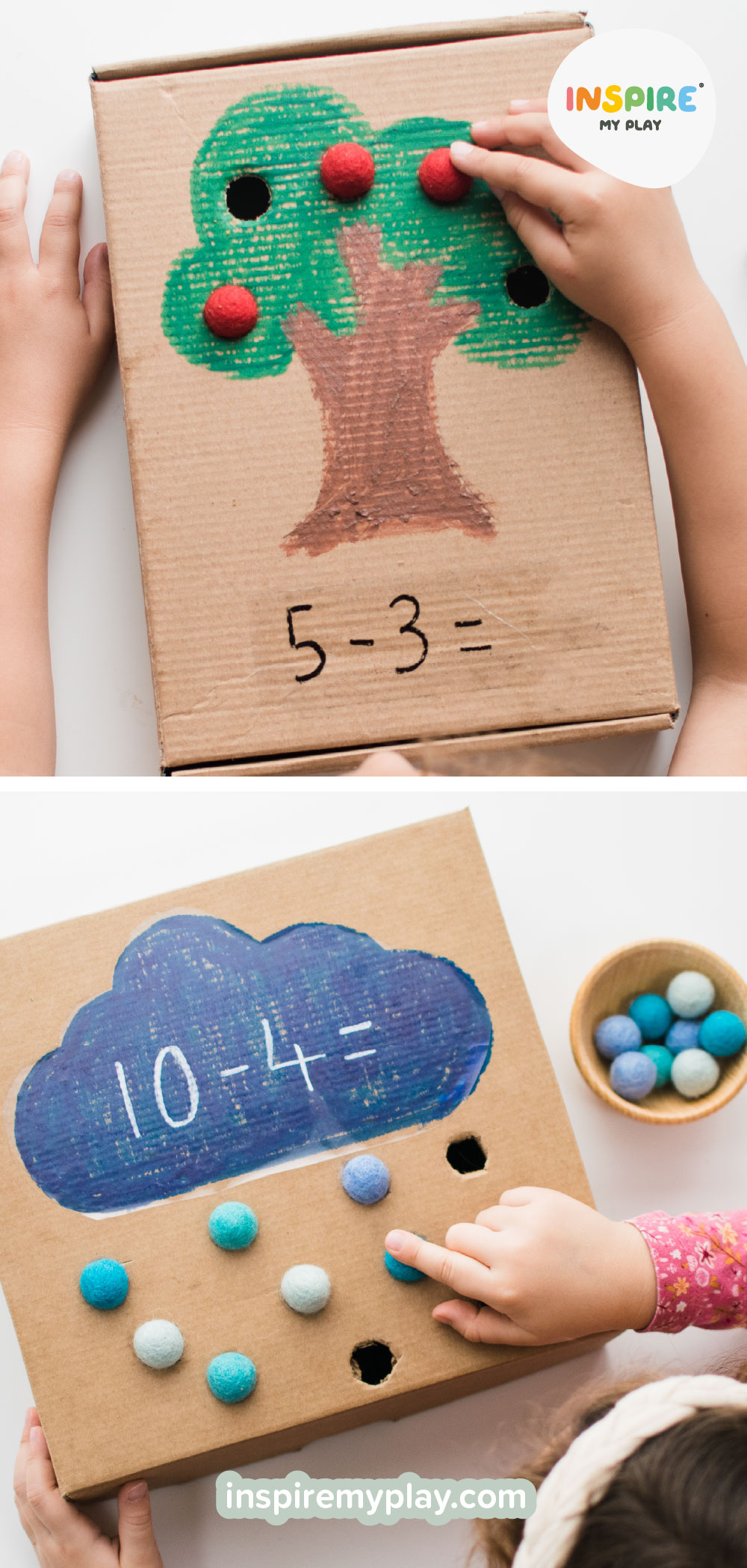
This setup also works well for 1:1 correspondence or counting backwards — one push per number.
4. Playdough
Playdough is a wonderful activity for sibling groups and offers so many therapeutic benefits — especially for developing fine motor skills. The soft, malleable texture is incredibly inviting, encouraging little ones to poke, pinch and squeeze as they play strengthening little fingers and building coordination through play.
To extend play even further, accessories like our Sensory Dough Tool Set add extra opportunities for pressing, rolling and shaping in a fun, hands-on way. Featuring five child-friendly silicone tools, children can explore, create and build with playdough for hours of open-ended play.
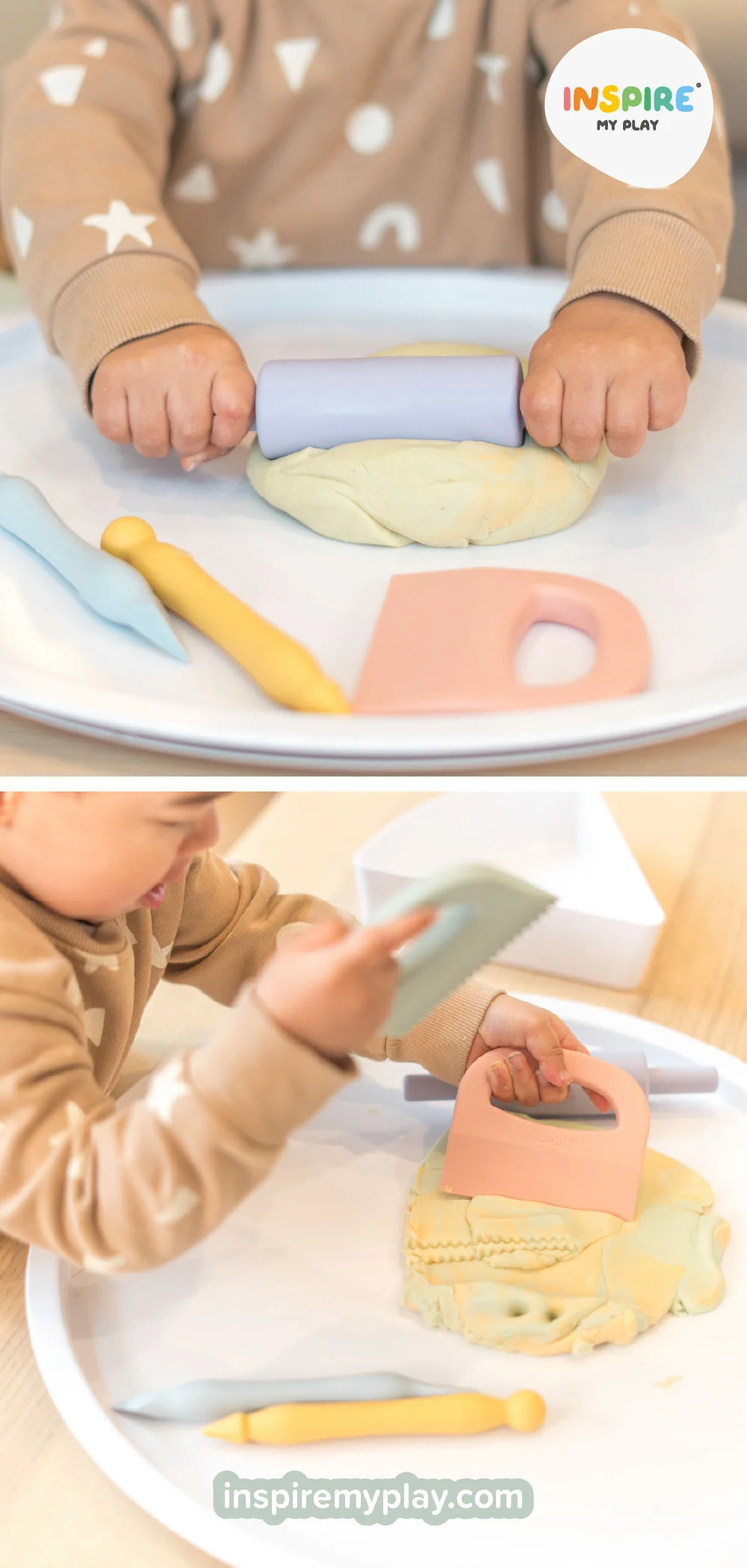
If you’ve never made your own playdough before, now is the perfect time to try! Homemade playdough is softer, longer-lasting and far more satisfying to work with than anything store-bought, and this simple no-cook recipe makes it quick and easy to get started.
No-Cook Playdough Recipe
- 1 ½ cups plain (all-purpose) flour
- ½ cup salt
- 2 tbsp cream of tartar
- 1 cup boiling water
- 2 tbsp coconut oil (or vegetable oil)
- Food colouring (optional)
Mix all the dry ingredients together. Add the food colouring (if using) to the boiling water along with the coconut oil, then pour into the bowl. Stir until it comes together as a dough, then remove it and knead on a clean surface. If it’s too sticky, add a little more flour; if it’s too dry, add a splash more water.
We’ve added dandelions to give the dough a beautiful sensory texture and make it more inviting for children. Little ones can explore the dough using movements such as rolling, cutting, tearing and shaping — all fantastic for building hand strength, coordination and control in a playful, hands-on way.
5. Ice Excavations
Ice excavations are so much fun and they’re brilliant for developing fine motor skills and hand control. Freezing numbers or pom poms inside adds a purposeful challenge, encouraging children to use precise, controlled movements as they work to free each item.
Provide warm water, droppers and tongs to help the excavation. Squeezing droppers strengthens little fingers, while using tongs improves grip and helps develop hand–eye coordination. Once released, children can match the correct number of pom poms to each number, adding an extra layer of focused, hands-on learning.
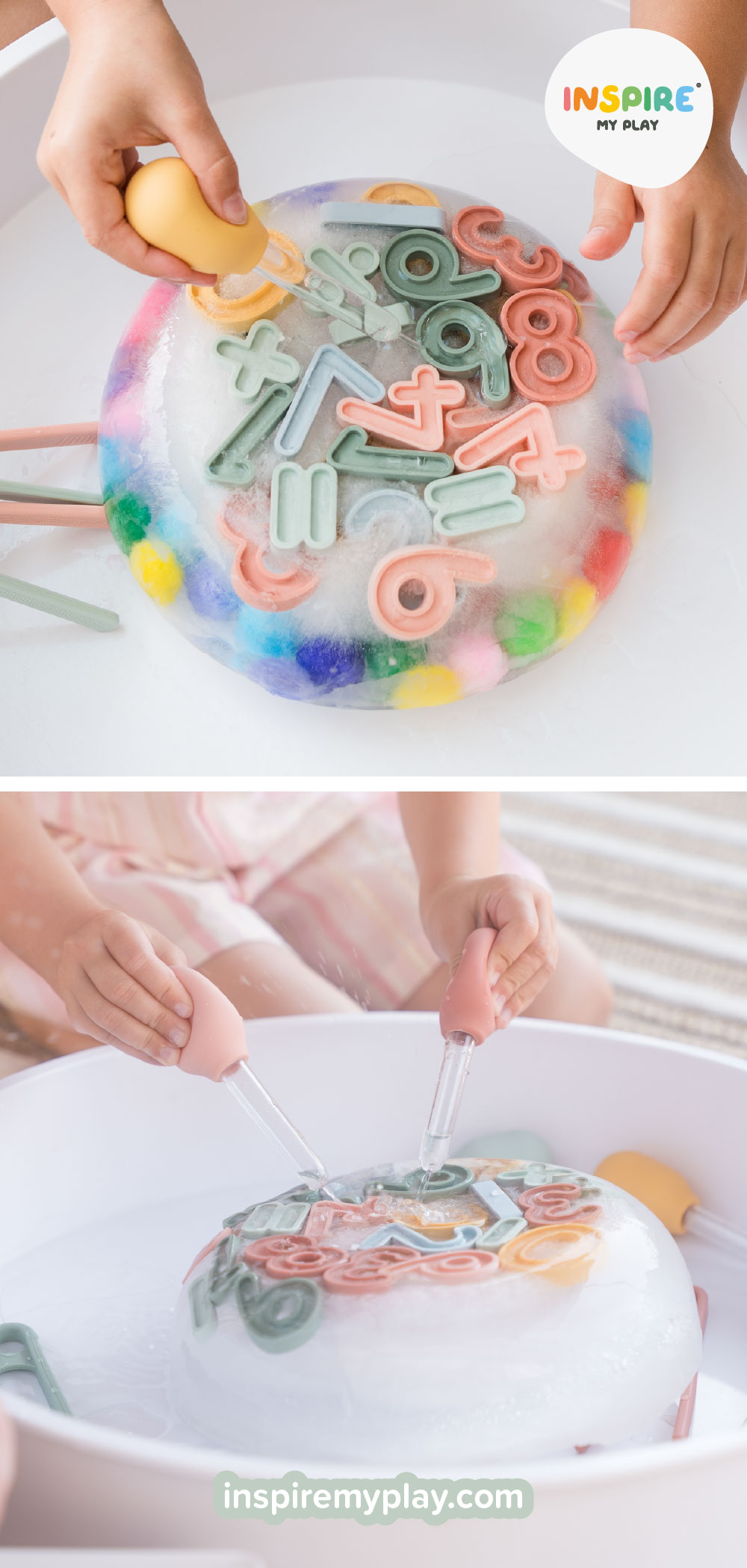
Freezing everything into one large block means the activity lasts much longer, giving children extended time to practice these all-important fine motor skills while staying fully engaged.
If you’ve followed us for a while, you’ll know we love a good fizzy reaction, which is another great way to use our droppers! It’s such a fun way to combine sensory exploration with early science — and it gives hands a brilliant fine motor workout too.
All you need is bicarbonate of soda, vinegar and food colouring.
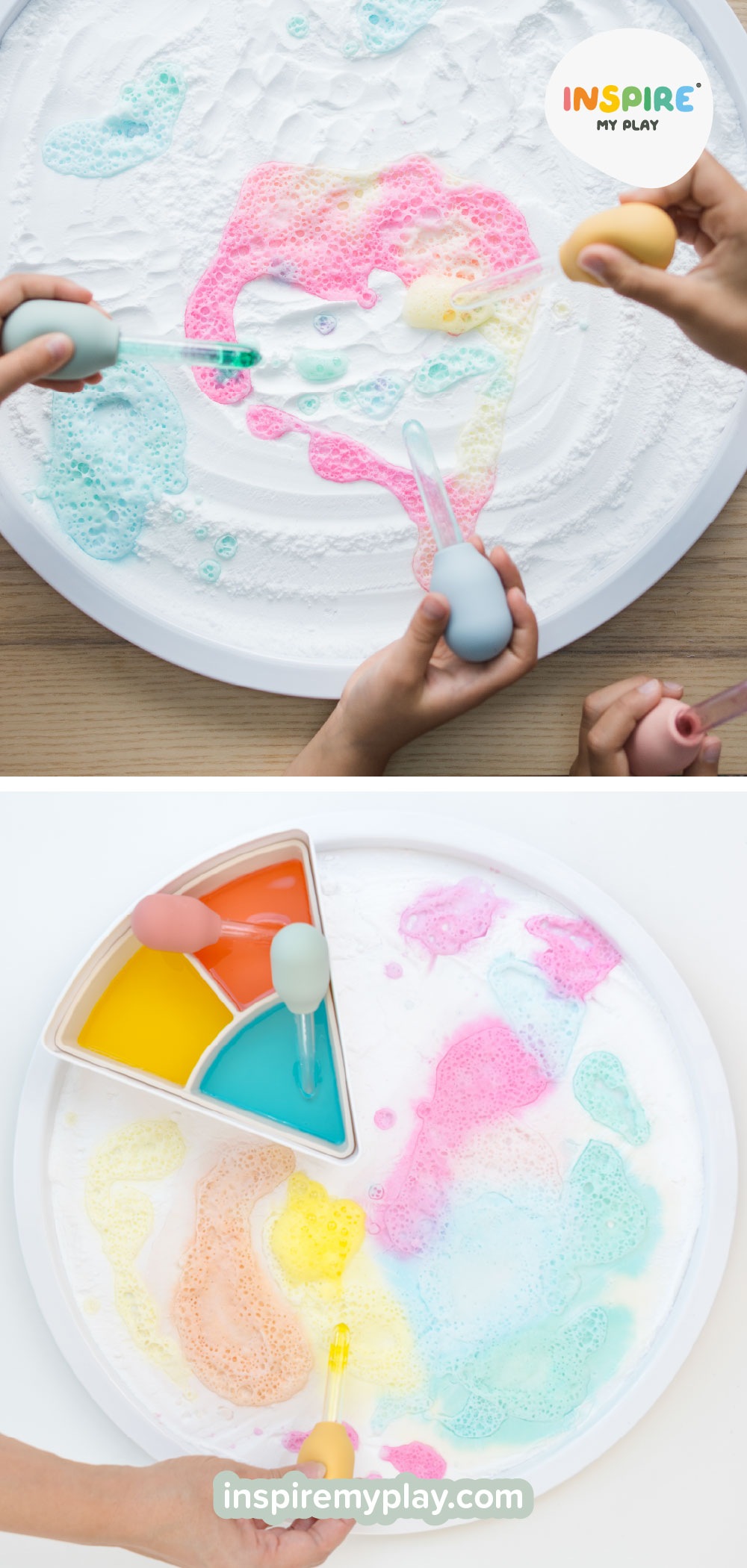
Invite children to use droppers to squeeze the coloured vinegar onto the baking soda and watch the magic unfold! The squeezing action is fantastic for strengthening finger muscles and improving hand-eye coordination, and the fizzing, bubbling reactions never fail to bring on the smiles!
We hope these activities inspire lots of playful, fine motor play at home! We absolutely love seeing how you use your sensory play accessories in your creative setups. So if you give any of these fine motor activities a try, don’t forget to share your photos or videos in our Inspire My Play PlayTRAY Facebook Community Group and tag us on Instagram @inspiremyplay. Your ideas inspire other families too!
Happy PlayTRAYing!