





The Benefits of Playdough for Sensory Play and Child Development


Rebecca @inspiremyplay
Marketing Manager @inspiremyplay. Mum of two boys (and one very spoiled miniature dachshund). I’m passionate about helping families everywhere discover the joy and benefits of sensory play.
Who knew a ball of playdough could create so much magic and learning?! Whether it’s squished, rolled or sculpted into mini masterpieces, playdough play invites children to explore, create and learn in a wonderfully hands-on way – and they absolutely love it.
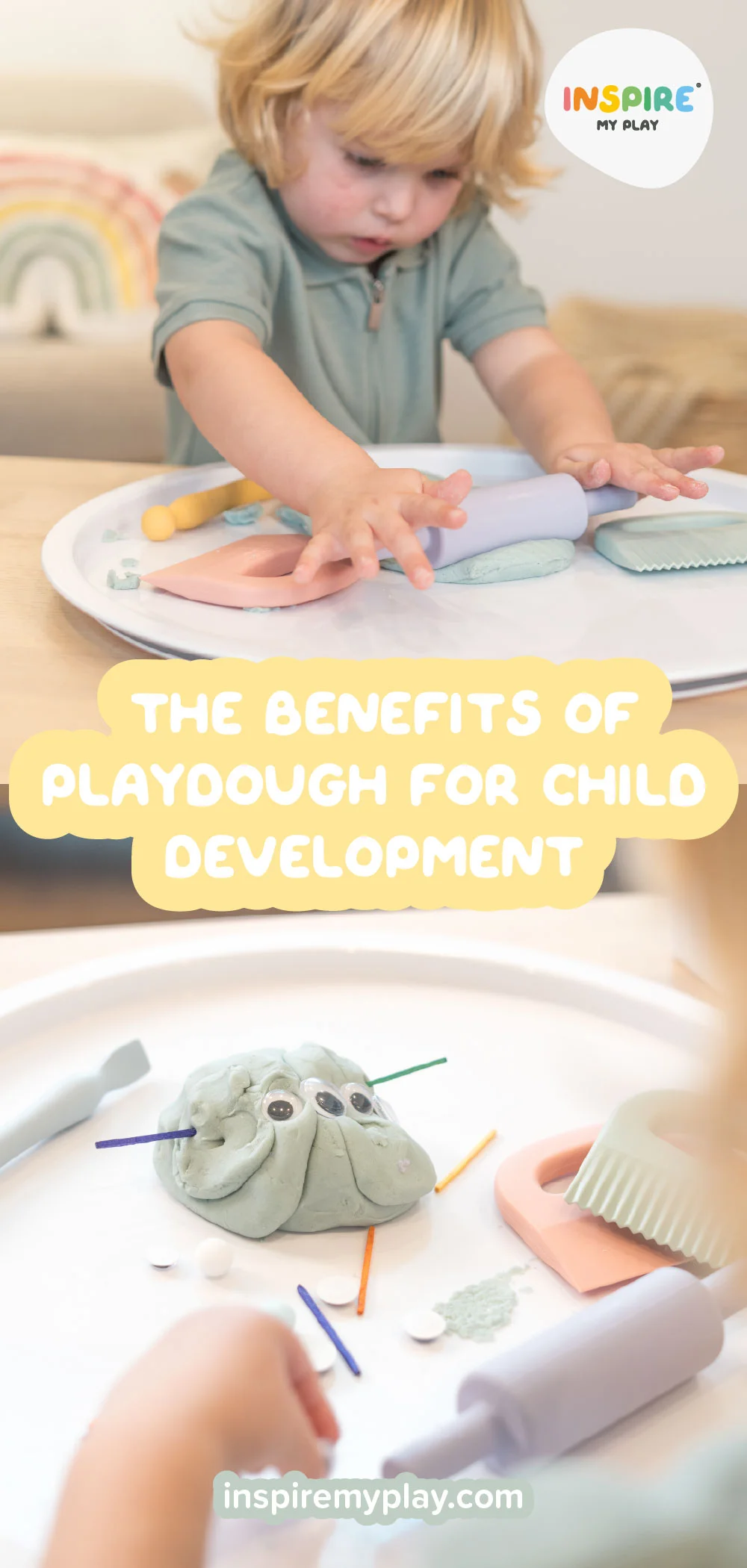
Many of the Inspire My Play team are parents, so they’ve seen firsthand how playdough encourages creativity, strengthens little hands and supports children’s overall development. It’s more than just a fun activity – it’s a powerful sensory experience that nurtures curious, growing minds.
Here’s how:
1. Builds Fine Motor Skills and Hand Strength
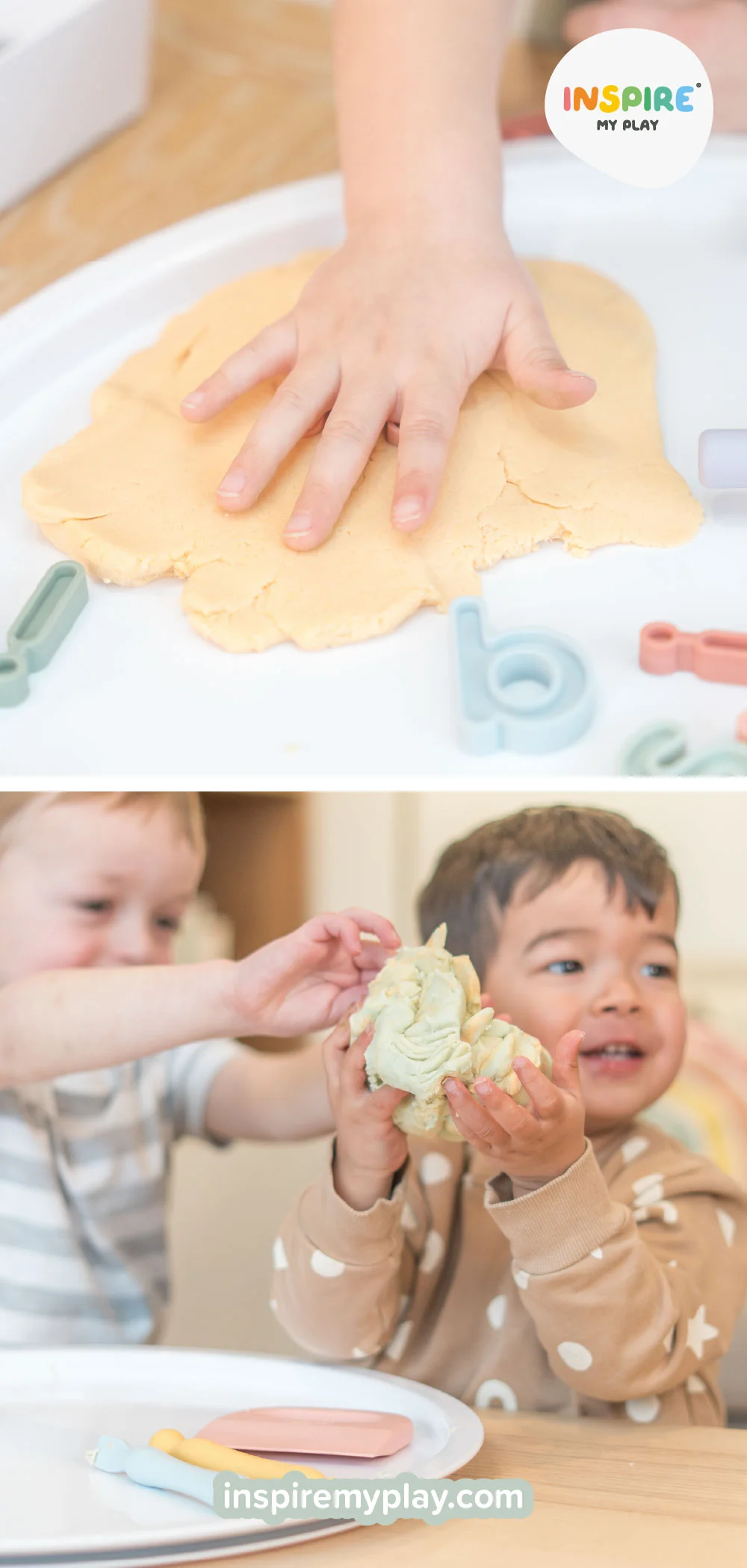
The simple actions of rolling, flattening, squishing and cutting play dough all help strengthen the muscles in children’s hands and fingers. And as these are the muscles they’ll use for writing, fastening clothes and tying shoelaces, it’s really important to give them a workout in their early years.
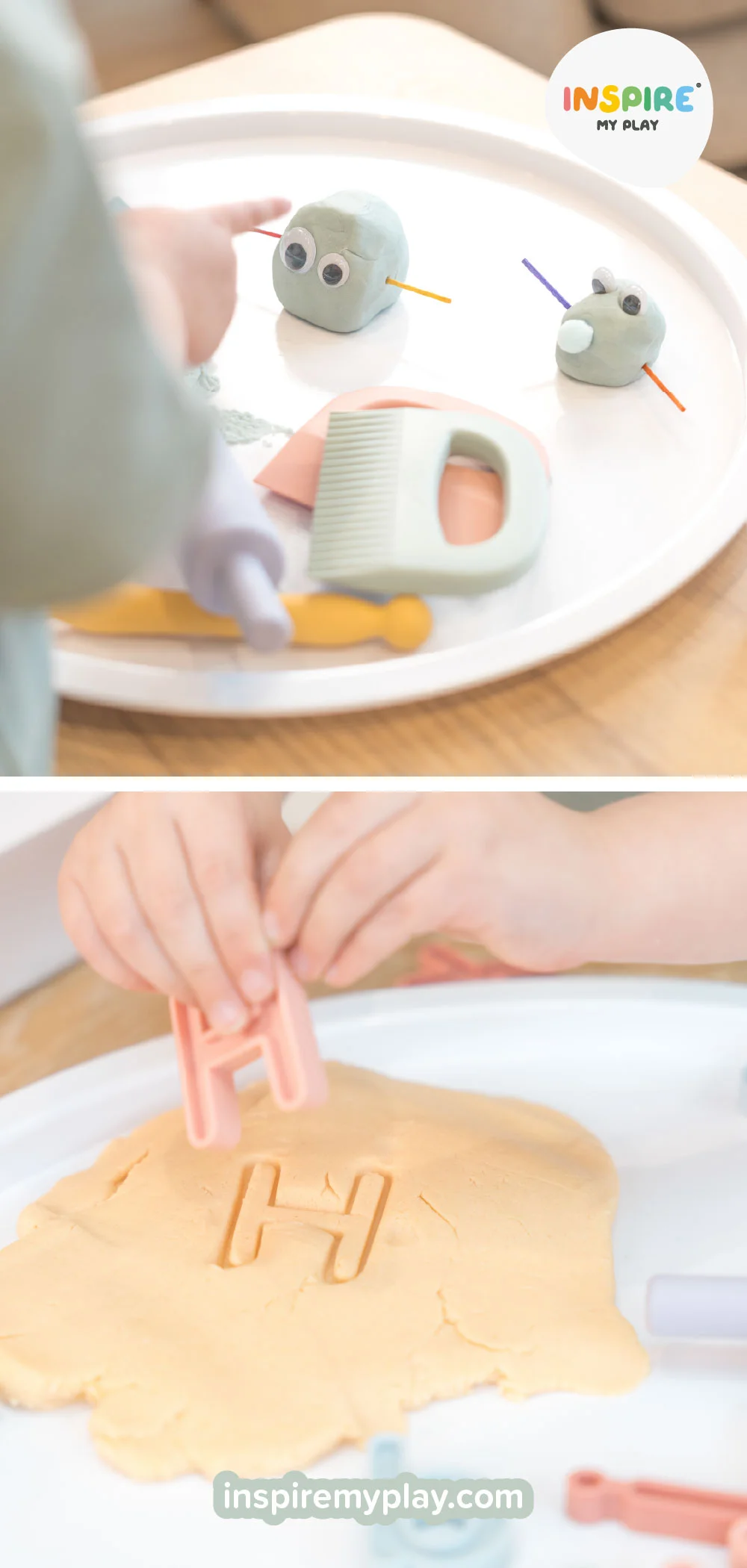
Each of the tools in our Sensory Dough Tool Set encourage different hand movements, helping children build strength, hand-eye coordination and control through creative play:
- Crinkle Cutter – The wavy edge encourages children to push down firmly and control pressure as they slice, strengthening finger and hand muscles.
- Straight Cutter – Perfect for practising precision and control. It helps develop bilateral coordination (using both hands together) as children hold the dough steady with one hand and cut with the other.
- Stylus Tool – Encourages a tripod grasp — the same hand position used for holding a pencil, while children press, draw and make imprints in the dough.
- Sculpting Tool – Great for cutting, carving and creating texture. It builds hand strength and dexterity as children twist and turn their wrist while shaping their wonderful creations.
-
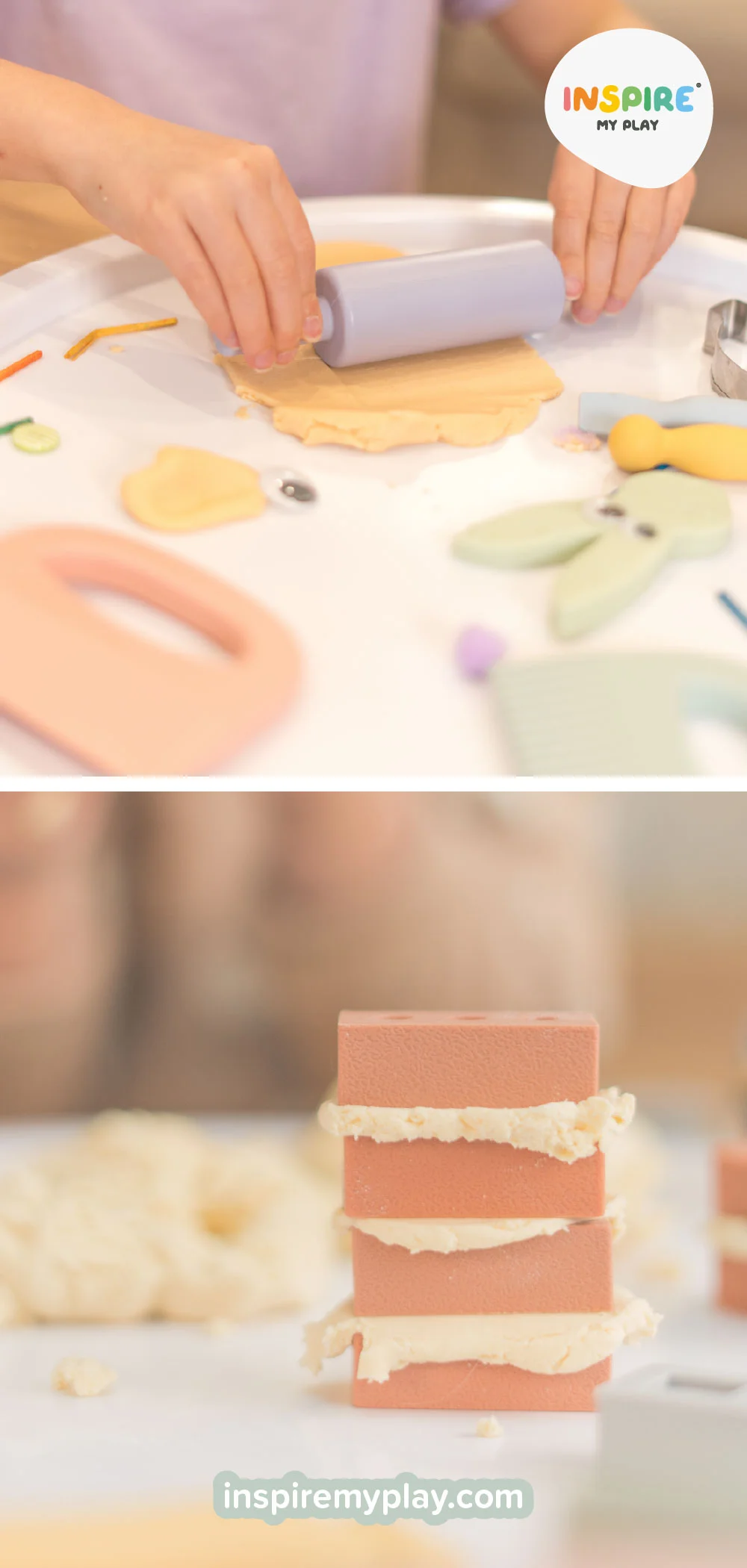
Rolling Pin – Strengthens wrists and forearms through the rhythmic motion of rolling and flattening, while building stamina and coordination.
Each of these simple movements — pressing, rolling, slicing and squeezing — might look like play, but together they’re the foundation for essential fine motor skills and hand-eye coordination children use every day.
2. Encourages Creativity, Imagination and Problem-Solving
There’s no right or wrong way to play with playdough – it offers endless opportunities for experimentation and creation.
From pretend baking to building tiny worlds, playdough invites storytelling, problem-solving and imaginative thinking. Ask your child if they can make an animal or a tower out of playdough, or what happens if they mix two colours together!
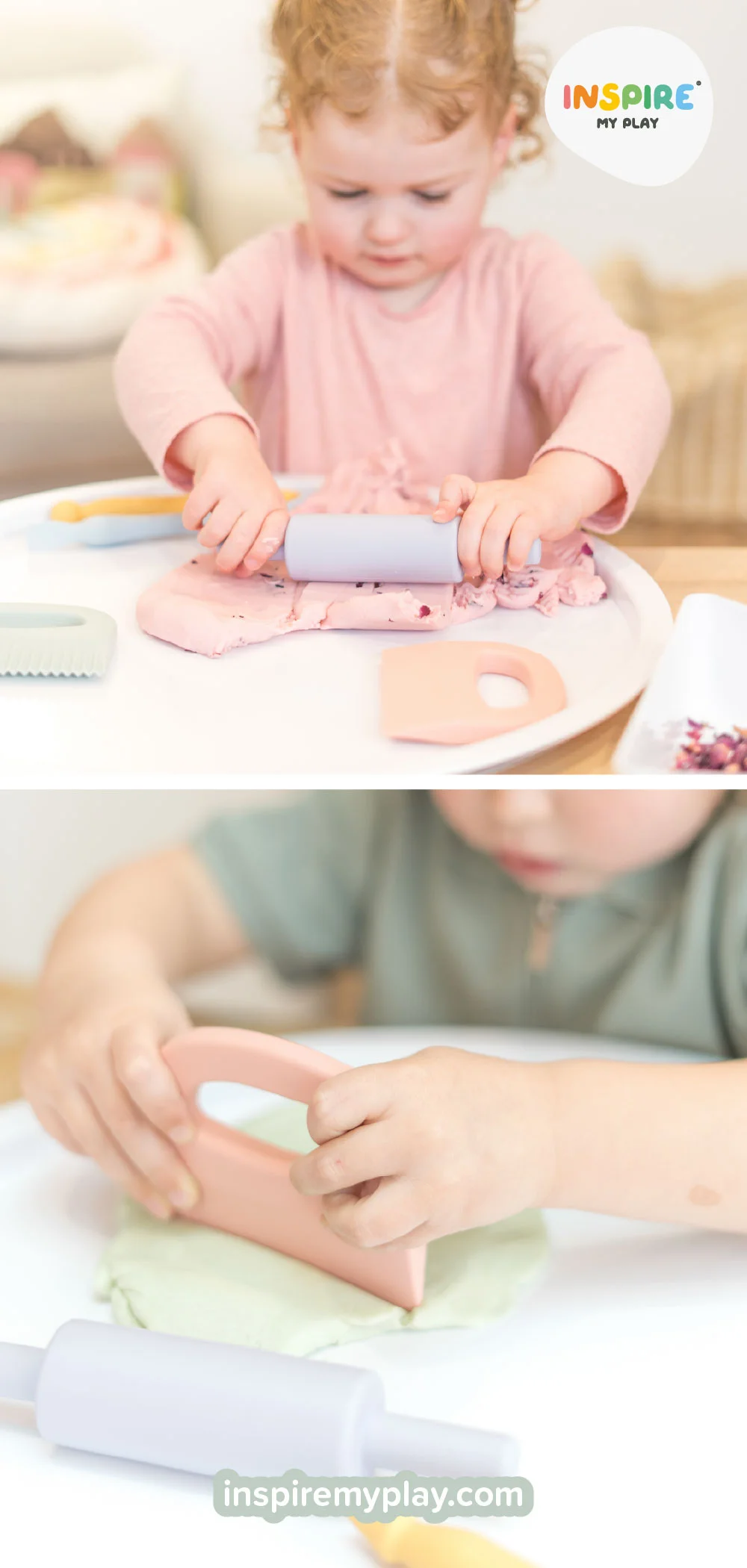
Pairing playdough with a few simple tools empowers children to bring their ideas to life – slicing, sculpting and stamping their way through countless creative adventures that build confidence and problem-solving skills along the way.
3. Supports Emotional Regulation and Focus
Sensory play activities like playdough can have a calming effect on children. The rhythmic motion of rolling or squishing dough between their fingers can help them relax and focus.
It can be particularly beneficial for children with special educational needs (SEN), helping to regulate the sensory system and reduce anxiety through soothing, repetitive actions.
It’s also a great way to support emotional expression — children can channel their energy, frustration, or excitement through their hands. Setting up regular play dough sessions at home or in the classroom can help build emotional resilience and self-regulation in a playful, accessible way.
4. Enhances Language and Social Skills
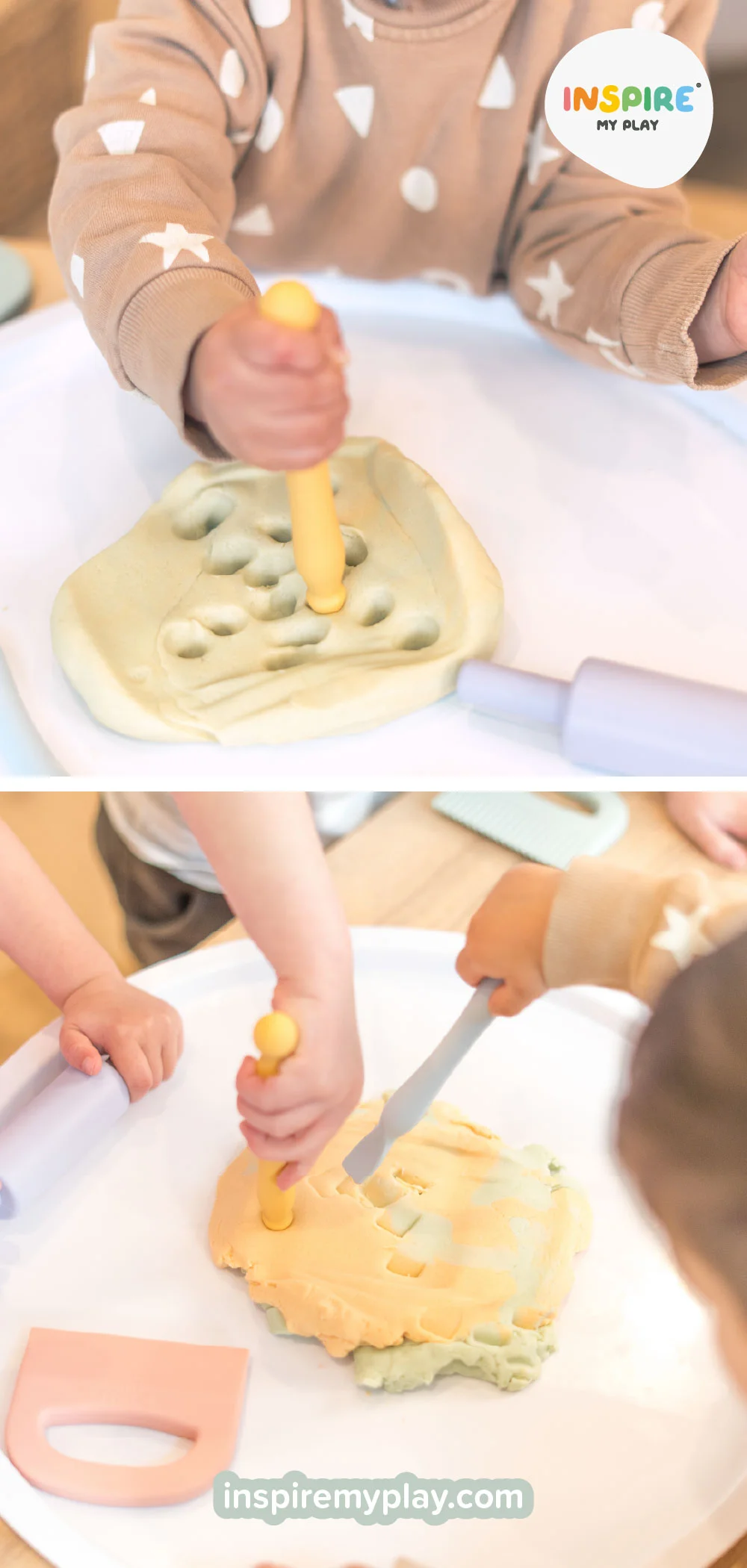
When children play together with playdough, they naturally talk, share, and collaborate. They discuss what they’re making, ask for tools, and use rich descriptive language — “Let’s make it bigger!” or “I’m rolling a sausage for my hot dog!”
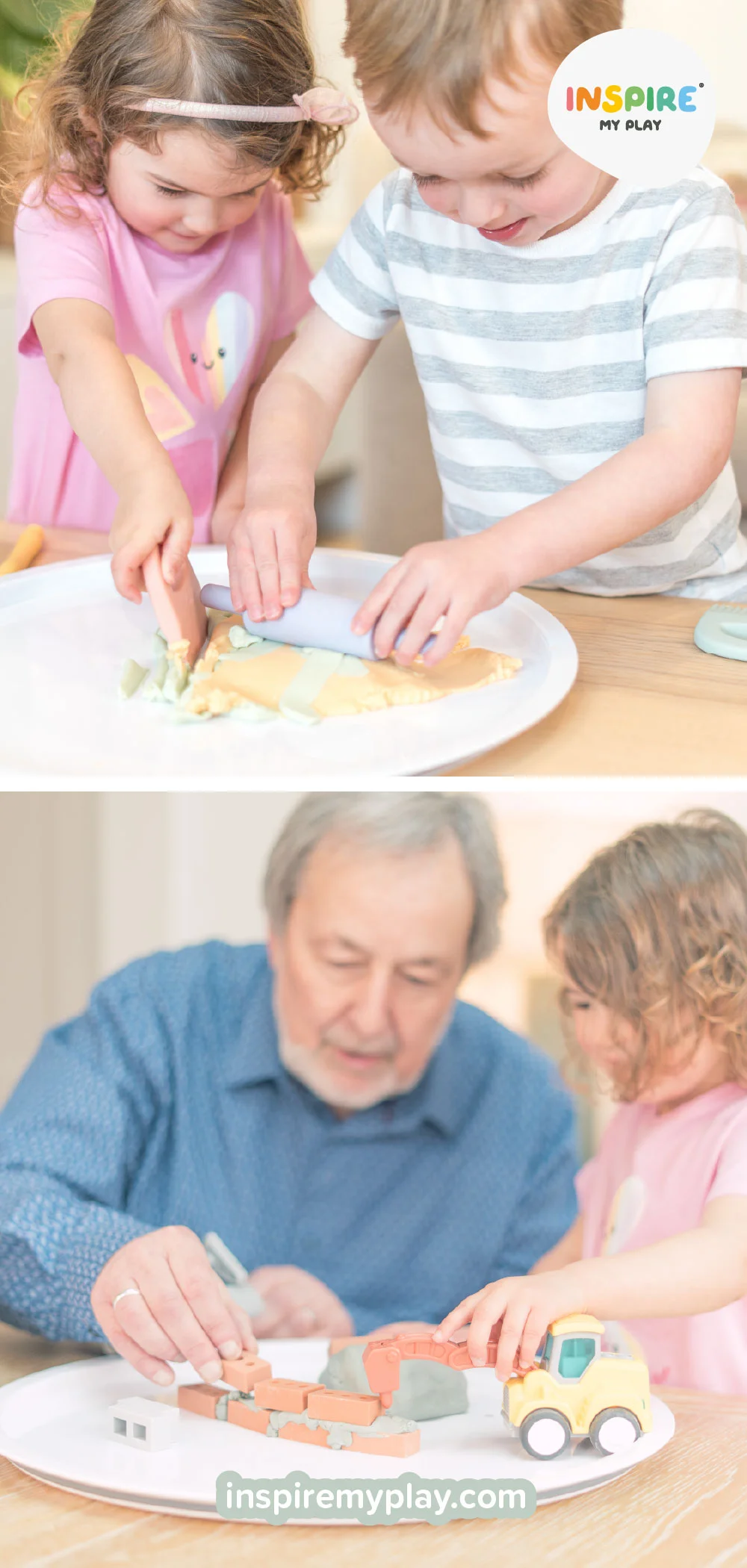
Adding sensory materials to playdough, like petals or sprigs of lavender, encourages children to describe textures, colours and scents as they play. Is it soft or rough? What does it smell like? How does it feel in their hands? Simple sensory additions help enrich conversations, encourage expressive language and help children develop vocabulary as they explore with family and friends.
Group playdough sessions encourage turn-taking, cooperation, and communication — essential skills for early years learning. Our Sensory Dough Tool Set is perfect for both individual and group play, empowering children to explore all the different tools and their uses.
5. Promotes Independent, Screen-Free Play
In a world filled with screens, play dough offers a welcome break. It’s a simple, engaging activity that keeps children entertained for long stretches and helps them wind down after a hectic day — no batteries or Wi-Fi required!
Children love rolling, cutting, and creating, while parents love the many developmental benefits it brings, as well as getting a much-needed break! Our Sensory Dough Tool Set is made from durable, child-friendly silicone, and designed for endless creative play with any type of dough or sensory material.
A Simple Yet Incredibly Effective Way to Support Learning Through Play
Play dough might look like simple fun, but it’s hugely beneficial for children. From developing fine motor skills to unlocking creativity and increasing focus, it’s a foundation for learning that starts with the hands and nurtures the mind.
Our new Sensory Dough Tool Set is thoughtfully designed to make playdough play even more enriching — helping children build confidence, independence, and a lifelong love of play.
Ready to start creating?
Homemade play dough is simple, safe, and so much better than store-bought. Try our easy No-Cook Playdough Recipe — you won’t be disappointed!