


How to Dye Pasta for Play & Craft Activities

Laura @inspiremyplay
Founder of @inspiremyplay, Early Years teacher for 11 years and mummy to three gorgeous girls. I'm passionate about the benefits of play in early childhood.
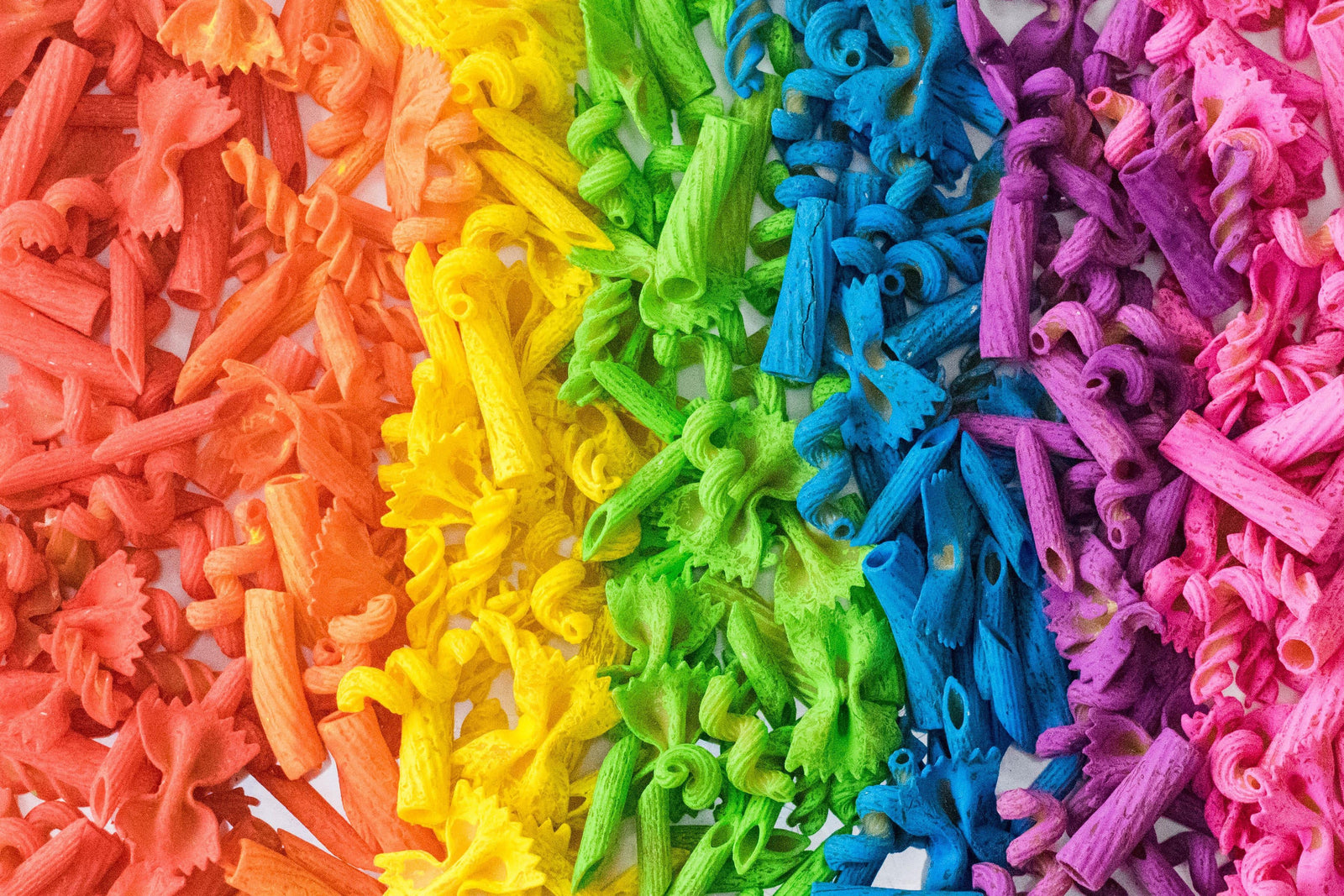
Pasta is a simple, inexpensive sensory play material that can be used in so many ways. Dyeing it adds a whole new dimension to play! You can create different colours to suit seasonal activities such as Easter and Christmas, or simply make a rainbow of colours for everyday play.
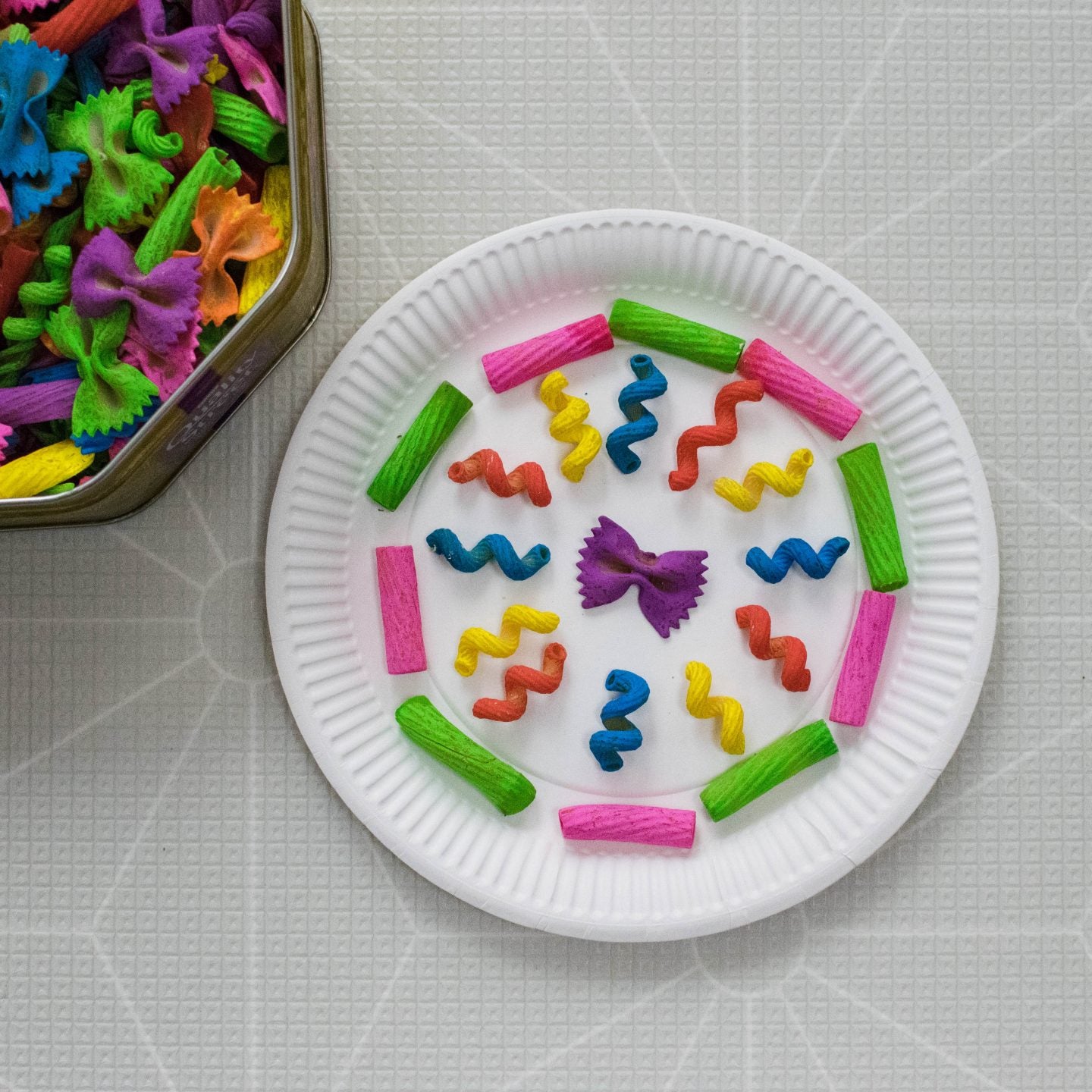
Scoop it, thread it, sort it, create patterns, build with playdough or use it in craft activities – coloured pasta is such a fantastic sensory base for open-ended sensory play and creativity.
The best part? It's super-easy to make and can be stored and reused for lots of different setups and activities.
In this blog, we'll talk you through how to dye pasta using paint, as well as an alternative method using food colouring. We'll also share plenty of ideas for using your coloured pasta for sensory play and craft activities.
How to Dye Pasta for Sensory Play
The easiest way to make coloured pasta is to coat dry pasta with ready-mix paint, then leave it to dry completely.
What you'll need:
- Dry pasta in your chosen shapes
- Ready-mix paint
- A sealable or zip-lock bag
- A PlayTRAY
- Baking or greaseproof paper
Method
1. Add the dry pasta to a bag
Fill a sealable bag or zip-lock bag with your chosen pasta shape.
You can use one shape or make several different colours and shapes for more variety during play.
2. Add the paint
Add a few generous squirts of paint to the bag.
Seal the bag securely and start scrunching and shaking to work the paint into the pasta.
Depending on the pasta shape you're using, this can take a little time. Smooth shapes such as penne are generally easier to coat, while shapes with lots of twists and ridges, such as fusilli, may require a little more effort.
If the pasta isn't evenly covered, add a little more paint and continue mixing.
3. Spread out to dry
Once the pasta is evenly coated, spread it out in a thin layer on a lined baking tray.
Leave it to dry completely before using it for sensory play.
4. Repeat with different colours
Wash and dry your bag, then repeat the process with your other colours.
And that's it! You've made your own coloured pasta for sensory play!
How to Dye Pasta with Food Colouring
If your little one is still mouthing and you’re worried about using paint, you can also colour pasta using food colouring, although they may not be quite as vibrant as paint.
Simply add your dry pasta to a sealable bag, then add a few drops of food colouring and around 2 tablespoons of vinegar. This helps the food colouring to disperse. Then seal the bag and shake or scrunch until the pasta is evenly coated.
Spread the pasta out on a lined tray and leave it to dry completely.
My personal preference is using paint, because my girls and I aren’t keen on the smell of vinegar, but both methods work well.
Remember: pasta coloured with food colouring is still intended for play rather than eating. Dry pasta can be a choking hazard, so always supervise children and keep it away from children who are still mouthing objects.
Which Pasta Shapes Work Best for Sensory Play?
One of the fun things about making dyed pasta is experimenting with different shapes and sizes.
Try:
- Penne – easy to coat and great for threading
- Fusilli – adds interesting textures for sensory exploration
- Rigatoni – its larger size is perfect for scooping and transferring
-
Shell pasta – fun for filling and sorting and ocean-themed setups.
Using several different shapes can also encourage children to compare, sort and group the pasta, helping to develop early maths skills such as sorting, matching and pattern recognition.
Pasta Sensory Play Ideas
Once you’ve coloured and dried your pasta, it’s time for play!
You don't need a complicated setup. A PlayTRAY[RR1] or sensory bin, a few simple sensory play tools[RR2] and some dyed pasta can provide plenty of opportunities for discovery, exploration and learning. [RR1]LINK [RR2]LINK